


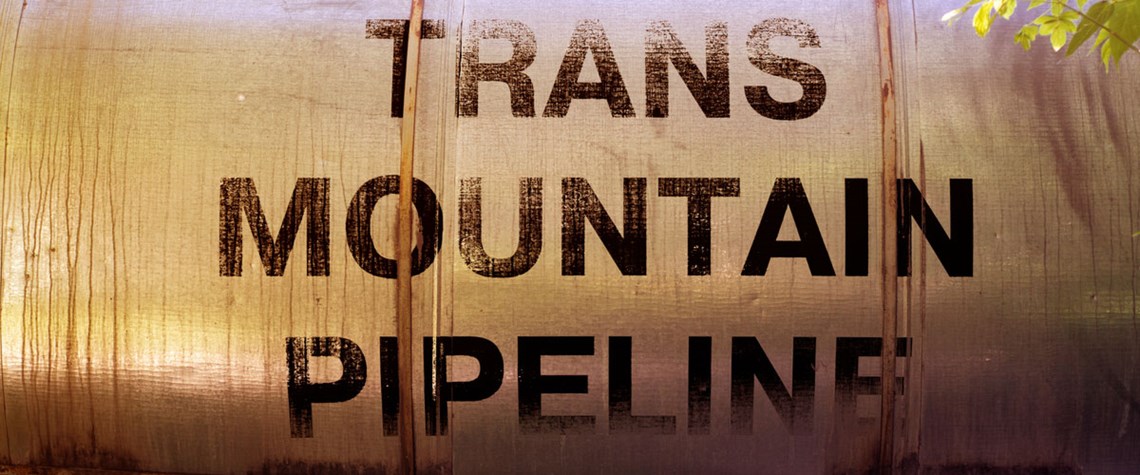
The Trans Mountain Expansion project could enable greater access to overseas markets once complete
Canada wrestles with a produce more/emit less paradox
The requirement to cut the upstream industry’s carbon footprint places a chokehold on growth ambitions
The Canadian oil and gas sector has faced numerous headwinds over the past 15 years or so, many of tsunami intensity. But it has, on the whole, come out the other side stronger—especially in terms of oil production and exports—and more profitable. But its biggest challenge may still be ahead. These headwinds included the 2007-09 global financial crisis; a well-funded and sophisticated environmental campaign against oil sands development; the US shale oil and gas revolution; the 2014-16 oil price slump; federal climate policy and regulatory morass; an exodus of IOCs from the oil sands; the 2018 Western Canadian oil price implosion—due to a lack of egress from the region—and subsequent curtail

Also in this section
21 April 2026
After overcoming a COVID-induced demand collapse with several years of successful market management, geopolitical events have conspired to provide the pact’s biggest test to date
21 April 2026
The regime’s policy of using nuclear ambiguity as a deterrent may have failed but it has realised it has other cards to play, while its neighbours are reappraising their approach to security
21 April 2026
As the global energy system undergoes a fundamental realignment, Algihaz Holdings has established itself as a critical player bridging conventional energy markets and the next generation of renewable infrastructure.
21 April 2026
The 25th WPC Energy Congress is taking place from 11-15 October 2026 at the Riyadh Front Exhibition & Conference Center.



