


Adnoc is now pushing forwards on a trio of upstream expansion projects
UAE tries to ride two horses
Abu Dhabi’s plans to raise oil and gas production are advancing despite the federation’s carbon-cutting pledges
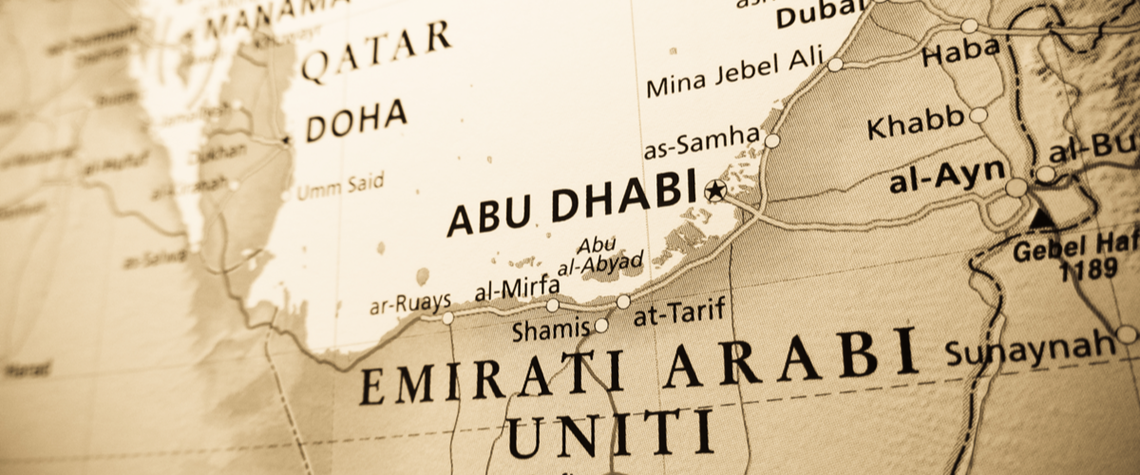
The UAE grabbed international headlines in early October by becoming both the first Mid-East Gulf petrostate and first Opec member to pledge carbon neutrality by mid-century. But Abu Dhabi has never hidden its intent to not only maintain but also increase long-term oil and gas production, controversially insisting the two ambitions can happily co-exist. Government-owned Adnoc is now pushing forwards on a trio of upstream expansion projects designed to help realise its output goals. And the exploitation of offshore sour gas reserves and of maturing oilfields promise to be energy-intensive. Restoring gas self-sufficiency is a political and economic priority for Abu Dhabi, all the more so given

Also in this section
1 April 2026
Golden Pass’s startup offers QatarEnergy a timely boost but may also force a difficult choice between honouring disrupted contracts and capitalising on soaring spot LNG prices
1 April 2026
It is not a case of if or when, but the length and magnitude of economic damage from elevated oil prices
1 April 2026
The US-Iran conflict demonstrates the need for diversification in several senses of the word. It also exposes the limits of Washington applying pressure on major oil and gas producers it considers geopolitical adversaries
31 March 2026
Disappointing results in its bidding round are a reality check for Libya, and global exploration generally



