


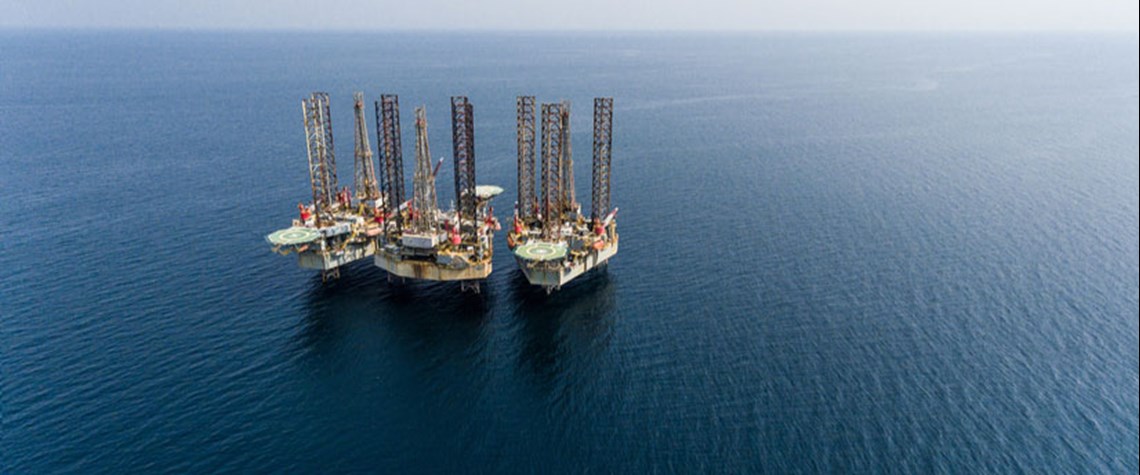
Average African upstream carbon intensity is the worst for any continent, according to Rystad
Double trouble for West African upstream
Corporate carbon goals and local regulatory regimes will determine whether the region’s deepwater sector can attract renewed interest from investors
West Africa saw a series of divestments and delays or cancellations to oil and gas projects last year following Covid disruptions and the collapse in oil and gas prices. But the global contraction in the E&P sector arguably only exacerbated the recent trend in the region, where international appetite for greenfield projects has dried up in the last few years—particularly in Nigeria, where yet another deadline for the country’s long-awaited Petroleum Industry Bill (PIB) is about to expire. Funding and carbon intensity The financial market which might fund renewed West African efforts is facing growing climate and transition pressures, says Julian Mylchreest, executive vice-chairman at Ban

Also in this section
1 April 2026
Golden Pass’s startup offers QatarEnergy a timely boost but may also force a difficult choice between honouring disrupted contracts and capitalising on soaring spot LNG prices
1 April 2026
It is not a case of if or when, but the length and magnitude of economic damage from elevated oil prices
1 April 2026
The US-Iran conflict demonstrates the need for diversification in several senses of the word. It also exposes the limits of Washington applying pressure on major oil and gas producers it considers geopolitical adversaries
31 March 2026
Disappointing results in its bidding round are a reality check for Libya, and global exploration generally



