


Newsletters | Request Trial | Log in | Advertise | Digital Issue   |   Search
  • Upstream
  • Midstream & Downstream
  • Gas & LNG
  • Trading & Markets
  • Corporate & Finance
  • Geopolitics
  • Podcasts
Search
Related Articles
YPF reinvents itself
Under a new Argentine president and company CEO, YPF has shed dozens of non-core assets as it doubles down on the Vaca Muerta shale and LNG
Argentina makes progress on LNG dream
Eni is joining the first phase of the 30mt/yr ARGLNG, while consortium behind the smaller Southern Energy LNG has reached FID
Argentina poised to surpass record oil production
Imminent midstream additions in the Vaca Muerta set the stage for sharp jump in upstream growth
Latin America’s evolving crude outlook
New supply from Argentina, Brazil and Guyana is rich in middle distillates, but optimism in terms of volume growth remains tempered by regulatory and technical risks as well as price volatility
The changing face of Argentina’s upstream
Sector at economic and strategic crossroads, but clear path ahead for midstream additions
Latin America feels the heat
Extreme weather conditions are compounding upstream challenges and pressuring governments across the region
Argentina opens up to international investors
The controversial trimmed down version of the ‘omnibus bill’ promises to attract more foreign investment to sectors including oil and gas, but critics raise concern it still goes too far
Argentinian tax row casts shadow over upstream
Clash between federal and regional governments escalates as Chubut calls for supply disruption unless demands are met
Argentina’s new president promises energy shake-up
Self-described 'anarcho-capitalist’ vows economic transformation including privatising state energy firm YPF
Letter from Latin America: Wider woes fail to derail Argentine shale
Battered by multiple economic headaches, Argentina is looking towards the Vaca Muerta as a potential lifeline
Argentina Vaca Muerta
Charles Waine
3 November 2020
Follow @PetroleumEcon
Forward article link
Share PDF with colleagues

Bankrolling the Vaca Muerta

Buenos Aires will pay out billions to keep the sector afloat despite Argentina’s stark economic crisis

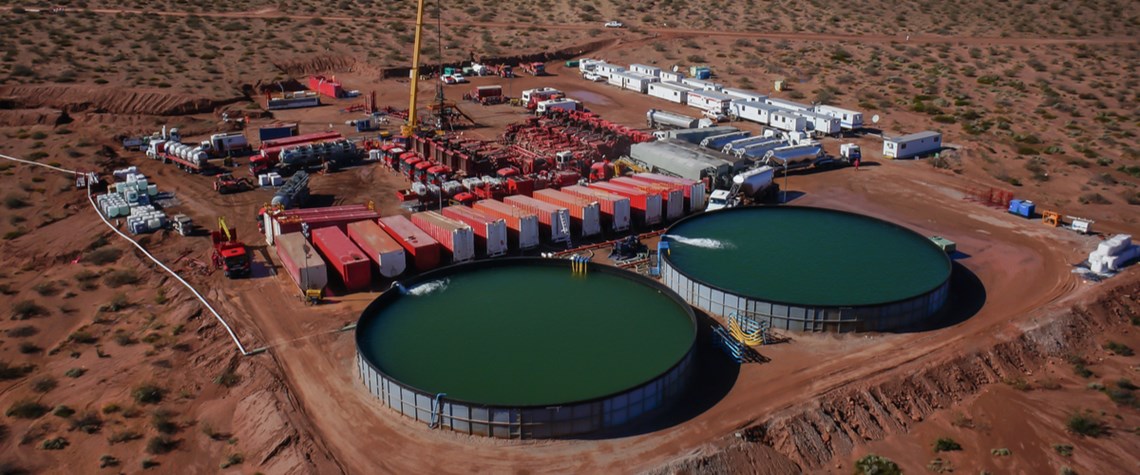
Argentina will spend more than $5bn over the next four years as part of a new government initiative to support the country’s gas sector and develop its prolific Vaca Muerta shale reserves. The scheme aims to cut gas imports by 589.75mn ft³/d (16.7mn m³/d) through to 2023, lessening the financial burden on Argentina and improving national ­energy security. The government will spend $1.49bn on the gas subsidy plan in 2021 and then over $1bn per year until 2025. Gas production of c.2.47bn ft³/d will receive a subsidy, although the government will only cover the difference between the price realised when the gas is auctioned and a ceiling price of $3.70/mn Btu. “In the past, we have seen how gas

Also in this section
Outlook 2026
12 December 2025
The latest edition of our annual Outlook publication, titled 'The shape of energy to come: Creating unique pathways and managing shifting alliances', is available now
Canada’s Asian pivot faces hurdles
12 December 2025
The federal government is working with Alberta to improve the country’s access to Asian markets and reduce dependence on the US, but there are challenges to their plans
New Zealand is back open for business
11 December 2025
The removal of the ban on oil and gas exploration and an overhaul of the system sends all the right messages for energy security, affordability and sustainability
New Zealand’s gas horror story will haunt for years to come
10 December 2025
The economic and environmental cost of the seven-year exploration ban will be felt long after its removal

Share PDF with colleagues

COPYRIGHT NOTICE: PDF sharing is permitted internally for Petroleum Economist Gold Members only. Usage of this PDF is restricted by <%= If(IsLoggedIn, User.CompanyName, "")%>’s agreement with Petroleum Economist – exceeding the terms of your licence by forwarding outside of the company or placing on any external network is considered a breach of copyright. Such instances are punishable by fines of up to US$1,500 per infringement
Send

Forward article Link

Send
Sign Up For Our Newsletter
Project Data
Maps
Podcasts
Social Links
Featured Video
Home
  • About us
  • Subscribe
  • Reaching your audience
  • PE Store
  • Terms and conditions
  • Contact us
  • Privacy statement
  • Cookies
  • Sitemap
All material subject to strictly enforced copyright laws © 2025 The Petroleum Economist Ltd
Cookie Settings
;

Search


