


East Med juggles win-losses and win-wins
Rivalry continues to impact energy projects across the region. But collaboration will be essential to achieve economic potential
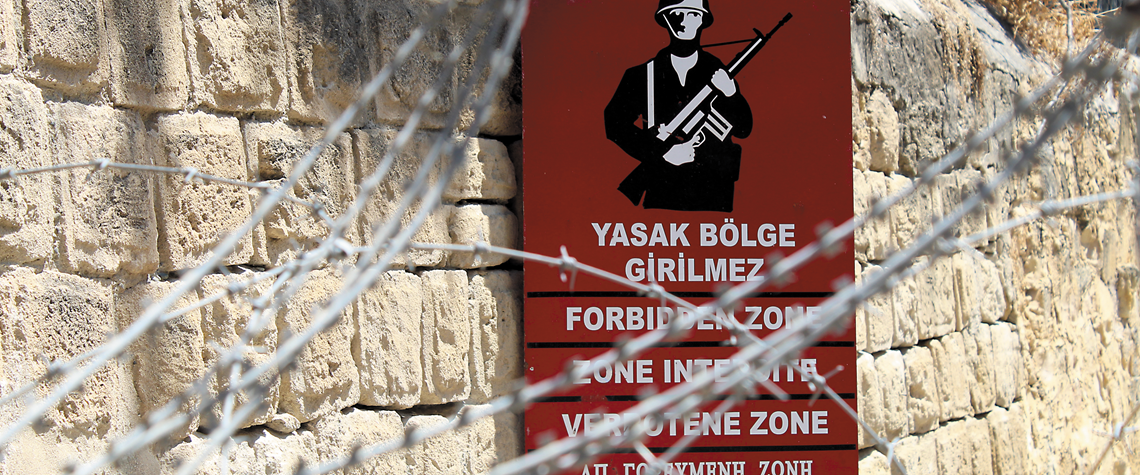
The discovery of a significant new hydrocarbon play in the Eastern Mediterranean a decade ago shone a greater geopolitical spotlight on the region. A series of discoveries fueled ambitions on the part of littoral states, attracted the interest of outside powers and made the East Med a potentially significant pivot point for European energy security and diversification. These finds also drew unprecedented attention to the region’s—at times strained—political, economic, and security relations. They facilitated the establishment, or strengthening, of cooperation between states but also sparked rivalry and/or accentuated existing conflicts. A decade later, the East Med finds itself at a crossro

Also in this section
1 April 2026
Golden Pass’s startup offers QatarEnergy a timely boost but may also force a difficult choice between honouring disrupted contracts and capitalising on soaring spot LNG prices
1 April 2026
It is not a case of if or when, but the length and magnitude of economic damage from elevated oil prices
1 April 2026
The US-Iran conflict demonstrates the need for diversification in several senses of the word. It also exposes the limits of Washington applying pressure on major oil and gas producers it considers geopolitical adversaries
31 March 2026
Disappointing results in its bidding round are a reality check for Libya, and global exploration generally



