


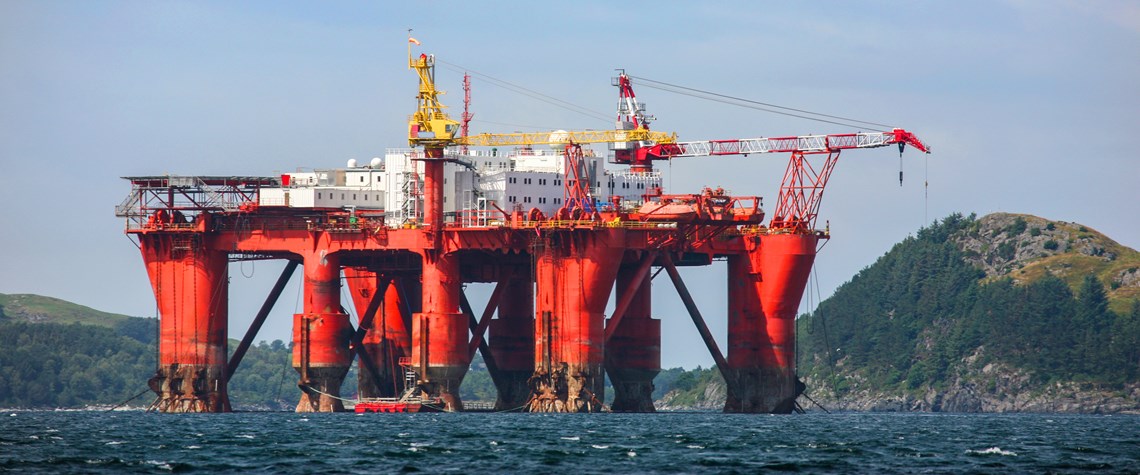
Small players drive a revival in the North Sea
Norway and the UK showed increasing appeal for E&P firms in 2018, with M&A moves propelling investment into the North Sea—but Brexit was a concern for some in the UK side of the play
Western Europe's offshore sector proved something of a magnet for E&P in 2018. According to a recent report from the Norwegian Petroleum Directorate (NPD), the 10 wildcat wells drilled during first-half 2018 already have found more new crude—a median estimate of 330mn boe—offshore Norway than was found by 24 wildcats during all of 2017. A wave of mergers and asset consolidations firmed up investment prospects for an offshore sector eager to stem future production declines. In October, Gazprom abandoned plans to swap assets with Austria's OMV, who agreed to buy a 24.98pc stake in the 4A and 5A phases at Achimov for an undisclosed cash sum. Norway's energy ministry had expressed reservatio

Also in this section
13 March 2026
Brussels is again weighing a cap on gas prices amid the Hormuz crisis, but the measure could backfire by deterring the LNG cargoes Europe urgently needs
12 March 2026
Emergency oil stocks provide a last line of defence to oil market shocks, so the IEA’s unprecedented 400m bl release represents something of a double-edged sword
12 March 2026
LPG could rapidly expand access to clean cooking across Africa and prevent hundreds of thousands of deaths from indoor air pollution each year, but infrastructure shortages and regulatory barriers are slowing investment and market growth
11 March 2026
Missiles over Dubai and disruption in Hormuz are testing the emirate’s reputation—and shaking the energy hub at the centre of the Gulf economy



