


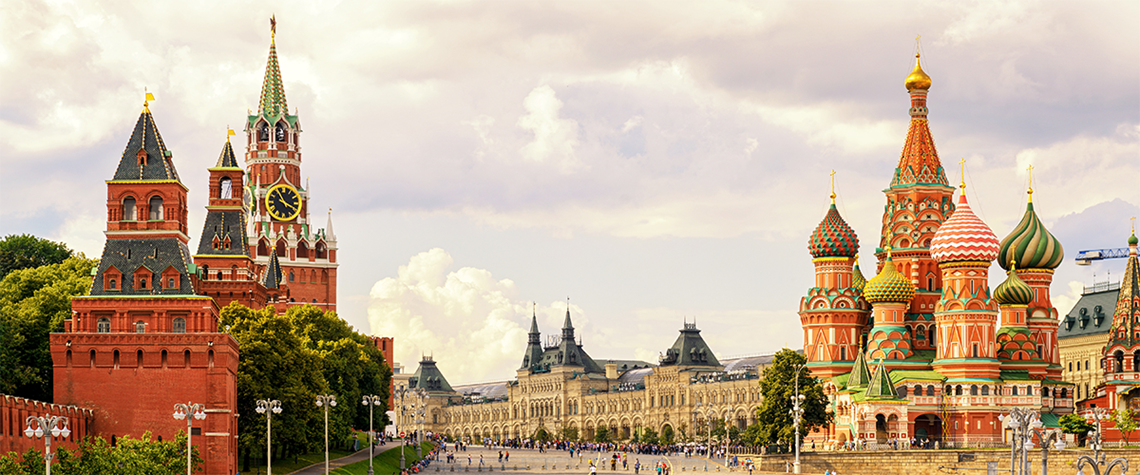
Moscow calling the shots
Russia ramped up production in 2018, with Arctic developments playing a major role
Russia broadly aligned itself with Opec's efforts during 2018 to cut production and reduce a worldwide glut. The Russian Federation had significant bearing on the alliance's efforts to be successful. The participating countries were seen beating estimates earlier in 2018, as oil producers exceeded their production cut commitments. The group did such a good job in cutting output that oil prices hit three-and-a-half-year highs in mid-2018. After that, Russia hit new production records. Despite market chatter in November that a new output reduction pact might be needed, Moscow appeared unconvinced that the global market would be oversupplied. It was later reported that Rosneft, Russia's largest

Also in this section
1 April 2026
Golden Pass’s startup offers QatarEnergy a timely boost but may also force a difficult choice between honouring disrupted contracts and capitalising on soaring spot LNG prices
1 April 2026
It is not a case of if or when, but the length and magnitude of economic damage from elevated oil prices
1 April 2026
The US-Iran conflict demonstrates the need for diversification in several senses of the word. It also exposes the limits of Washington applying pressure on major oil and gas producers it considers geopolitical adversaries
31 March 2026
Disappointing results in its bidding round are a reality check for Libya, and global exploration generally



