


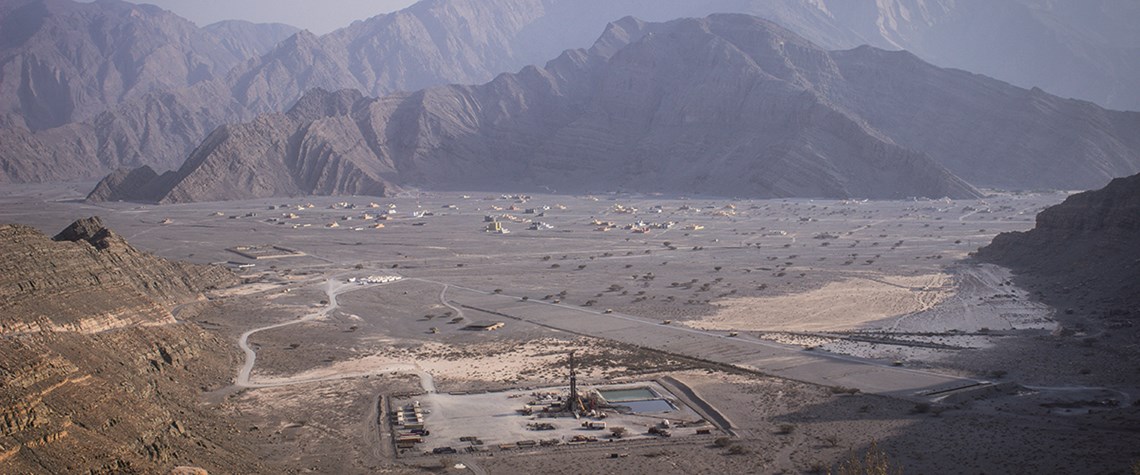
Gulf states eye enhanced future
Oman is leading the way in Gulf EOR development, and its neighbours are fast realising its advantages
Enhanced oil recovery is proving to be a much-needed tool for Arab Gulf producing states as they seek to sharpen their global competitive edge. Squeezing every drop of potential from maturing reserves is crucial for the Gulf to retain its top spot in the global league table of oil producers, with the International Energy Agency forecasting that the US could be the world's largest oil producer by 2019. There's also swelling oil and energy demand. The latest BP Energy Outlook anticipates a 54% climb in the Middle East's energy consumption by 2040. Demographic forecasts explain a lot. The UN expects the populations of Oman, the UAE and Saudi Arabia to rise by 45%, 39% and 36% respectively by 20

Also in this section
1 April 2026
Golden Pass’s startup offers QatarEnergy a timely boost but may also force a difficult choice between honouring disrupted contracts and capitalising on soaring spot LNG prices
1 April 2026
It is not a case of if or when, but the length and magnitude of economic damage from elevated oil prices
1 April 2026
The US-Iran conflict demonstrates the need for diversification in several senses of the word. It also exposes the limits of Washington applying pressure on major oil and gas producers it considers geopolitical adversaries
31 March 2026
Disappointing results in its bidding round are a reality check for Libya, and global exploration generally



