


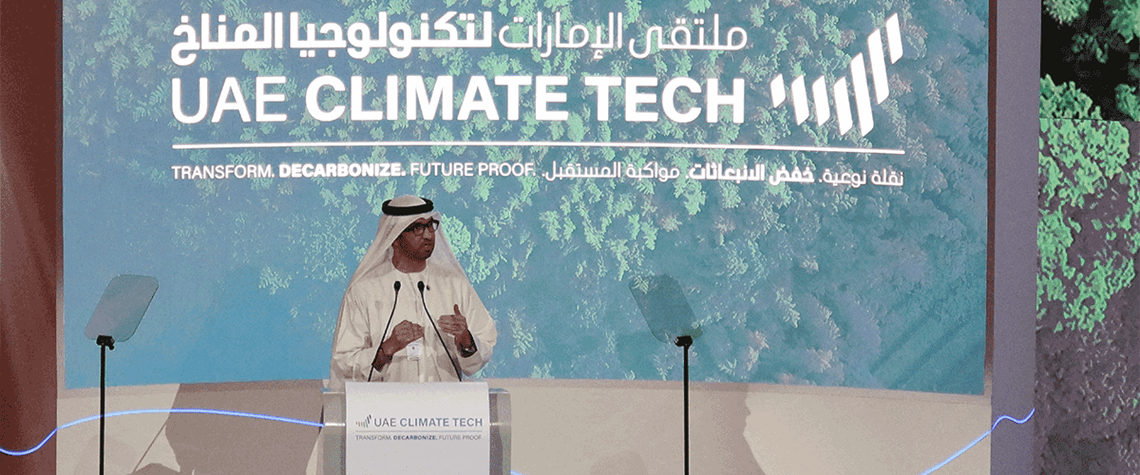
Sultan Ahmed al-Jaber, head of Adnoc and designated head of the upcoming Cop28 negotiations in Dubai
Realistic hope should be the legacy of Cop28
The appointment of the UAE’s Sultan Ahmed al-Jaber as Cop president has drawn criticism from some quarters, but progress on the energy transition will require cooperation, not conflict
It is no longer surprising to see a sudden surge of outrage aimed at energy leaders, often amplified by global and social media. Stories of heroes and villains remain popular. The World Energy Council community has been at the forefront of making energy transitions happen for a century, so has some experience to bring to the table. The latest outrage has been aimed at the credibility of the UAE’s appointed Cop president, Sultan Ahmed al-Jaber, following concerns raised by some Western legislators. It is easy to join the bandwagon of criticism against a highly visible target, but progress rests on inclusion and sustaining cooperation, not conflict. More decentralised, decarbonised and d

Also in this section
1 April 2026
Golden Pass’s startup offers QatarEnergy a timely boost but may also force a difficult choice between honouring disrupted contracts and capitalising on soaring spot LNG prices
1 April 2026
It is not a case of if or when, but the length and magnitude of economic damage from elevated oil prices
1 April 2026
The US-Iran conflict demonstrates the need for diversification in several senses of the word. It also exposes the limits of Washington applying pressure on major oil and gas producers it considers geopolitical adversaries
31 March 2026
Disappointing results in its bidding round are a reality check for Libya, and global exploration generally



