


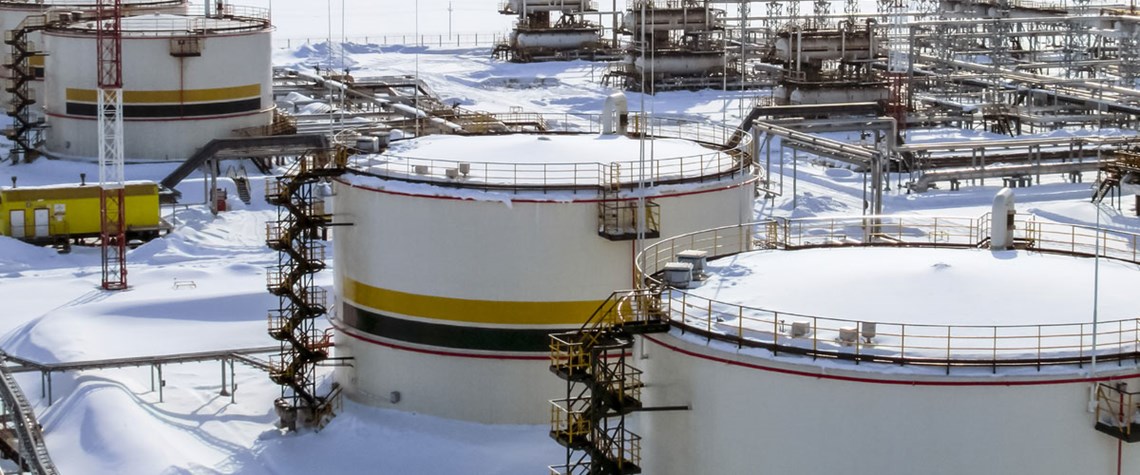
Traders are reluctant to buy Russian oil
Russia’s spot sales problem
Trading houses confirm they are not buying outside of term contracts, leaving the question of who will lift Russian barrels
The CEOs of four of the world’s largest commodity traders admit they are no longer prepared to purchase spot cargoes of Russian oil—albeit the words of Vitol chief Russell Hardy are slightly less categorical than his peers. But, with several IOCs also pledging to halt all trade in the country’s output, it does leave a potentially looming crunch for exports. “We are lifting contractual volumes, pre-agreed long-term contract volumes, which we are obliged to do, and we are not developing any new business at all,” Jeremy Weir, CEO of Trafigura, told the FT Commodities Global Summit in late March. “We do not buy anything on the spot market,” says Torbjorn Tornqvist, CEO of Gunvor, of his firm’s a

Also in this section
1 April 2026
Golden Pass’s startup offers QatarEnergy a timely boost but may also force a difficult choice between honouring disrupted contracts and capitalising on soaring spot LNG prices
1 April 2026
It is not a case of if or when, but the length and magnitude of economic damage from elevated oil prices
1 April 2026
The US-Iran conflict demonstrates the need for diversification in several senses of the word. It also exposes the limits of Washington applying pressure on major oil and gas producers it considers geopolitical adversaries
31 March 2026
Disappointing results in its bidding round are a reality check for Libya, and global exploration generally



