


Opec to extend, tight oil to grow
The group is expected to extend its cuts deal. But global supply could still surge
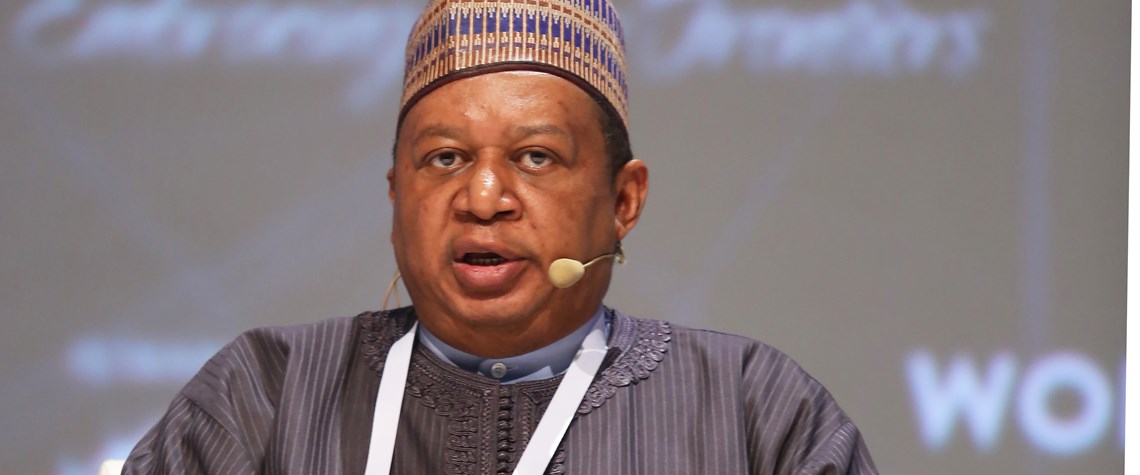
Opec is almost certain to extend its cuts for the second half of 2017 when it meets on 25 May in Vienna. The group's most powerful member, Saudi Arabia, has signalled to the market to expect a rollover. Its neighbours in the Gulf, including Iraq, say they are on board. Venezuela is desperate for higher prices. "The deal is 99% done," one insider told Petroleum Economist recently. Oil prices haven't risen as high as most members would like, but they're well above the level they would have reached without a deal, and all members fear a sell-off if an extension isn't agreed later this month. Opec thinks one more heave will be enough to help the market turn a corner in the second half of the yea

Also in this section
1 April 2026
Golden Pass’s startup offers QatarEnergy a timely boost but may also force a difficult choice between honouring disrupted contracts and capitalising on soaring spot LNG prices
1 April 2026
It is not a case of if or when, but the length and magnitude of economic damage from elevated oil prices
1 April 2026
The US-Iran conflict demonstrates the need for diversification in several senses of the word. It also exposes the limits of Washington applying pressure on major oil and gas producers it considers geopolitical adversaries
31 March 2026
Disappointing results in its bidding round are a reality check for Libya, and global exploration generally



