


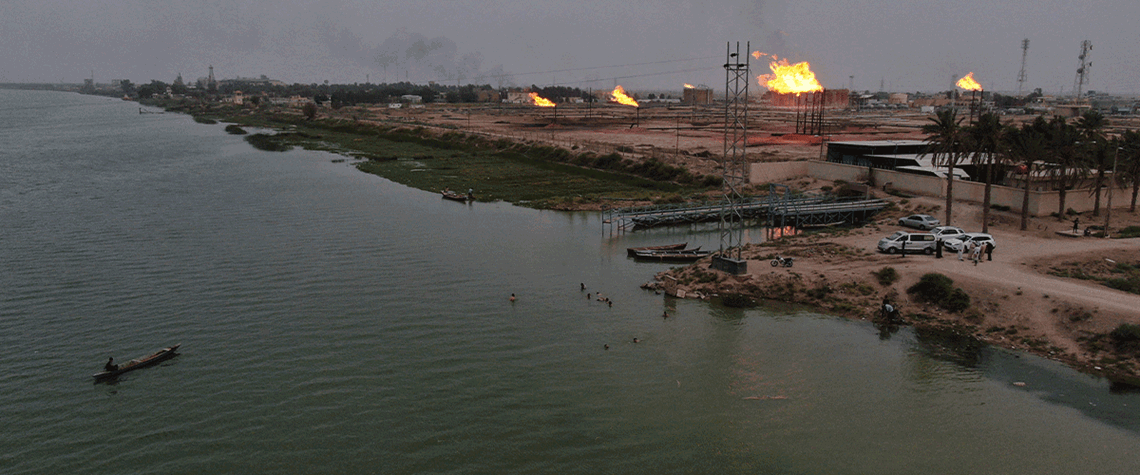
Iraqi oil refinery
Less is more in Iraqi downstream
The government’s new focus on relatively small, state-funded refinery expansions and upgrades bodes well for long-awaited progress
Iraq’s first major greenfield refinery since the 1980s, in the central province of Karbala, began trial operations in September in preparation to start delivering much-needed light fuels to the local market by early 2023. Years late and paid for upfront by Baghdad rather than by the private investors originally sought, the scheme is nonetheless a relative success in the context of a 15-year-old downstream expansion plan beset by delays and cancellations. A new federal government took office in October predictably vowing to do better than its predecessors in expanding capacity and attracting foreign investment across the country’s hydrocarbons sector, refining included. Legacy big-ticket, pri

Also in this section
1 April 2026
Golden Pass’s startup offers QatarEnergy a timely boost but may also force a difficult choice between honouring disrupted contracts and capitalising on soaring spot LNG prices
1 April 2026
It is not a case of if or when, but the length and magnitude of economic damage from elevated oil prices
1 April 2026
The US-Iran conflict demonstrates the need for diversification in several senses of the word. It also exposes the limits of Washington applying pressure on major oil and gas producers it considers geopolitical adversaries
31 March 2026
Disappointing results in its bidding round are a reality check for Libya, and global exploration generally



