


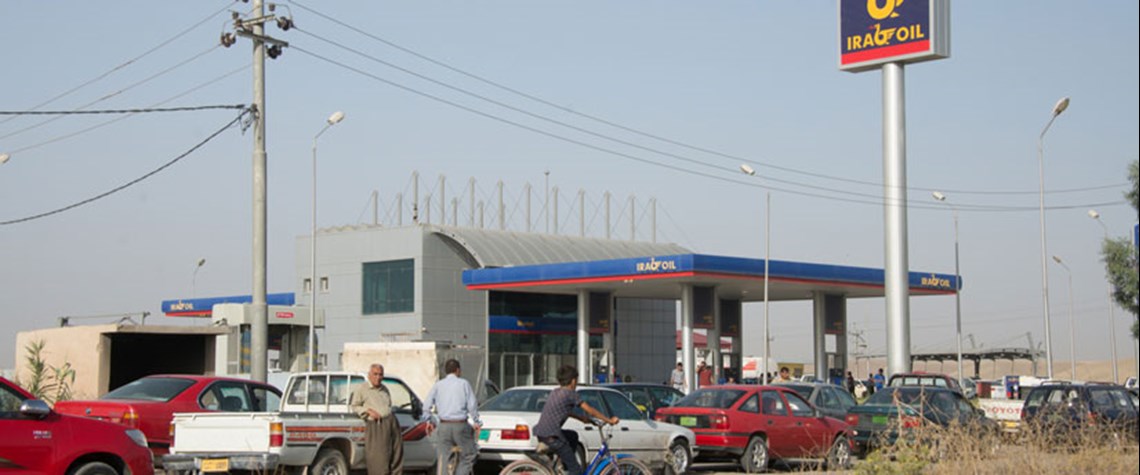
Vehicles queue for fuel in Iraq
Iraq tries again in the downstream
Oft-promised upgrades and greenfield facilities are again making putative progress
Iraq’s vast hydrocarbons wealth and its ability to satisfy the energy needs of its citizens has long been a politically toxic disconnect. The severe power cuts that once again brought long-suffering residents of oil-rich Basra onto the streets in late June have regularly captured the headlines. But a prolonged deficit in fuel provision is another flashpoint. Successive governments have failed to deliver on repeated promises to expand and upgrade the creaking refining sector. Baghdad has launched, relaunched and cancelled sufficient refining schemes—while setting and missing a string of capacity targets—over the past 15 years as to have squandered almost any credibility when pronouncing publ

Also in this section
1 April 2026
Golden Pass’s startup offers QatarEnergy a timely boost but may also force a difficult choice between honouring disrupted contracts and capitalising on soaring spot LNG prices
1 April 2026
It is not a case of if or when, but the length and magnitude of economic damage from elevated oil prices
1 April 2026
The US-Iran conflict demonstrates the need for diversification in several senses of the word. It also exposes the limits of Washington applying pressure on major oil and gas producers it considers geopolitical adversaries
31 March 2026
Disappointing results in its bidding round are a reality check for Libya, and global exploration generally



