


Newsletters | Request Trial | Log in | Advertise | Digital Issue   |   Search
  • Upstream
  • Midstream & Downstream
  • Gas & LNG
  • Trading & Markets
  • Corporate & Finance
  • Geopolitics
  • Podcasts
Search
Related Articles
Middle East oil vulnerabilities have been exposed
The killing of Iran’s Supreme Leader Ayatollah Khamenei in US–Israeli strikes marks the most serious escalation in the region in decades and a bigger potential threat to the oil market than the start of the Russia-Ukraine crisis
How Hormuz chokehold threatens LNG buyers
A potential blockade of the Strait of Hormuz following the escalating US-Iran conflict risks disrupting Qatari LNG exports that underpin global gas markets, exposing Asia and other markets to sharp price spikes, cargo shortages and renewed reliance on dirtier fuels
Letter from Iran: Testing times for Tehran-Beijing crude dynamics
Growing pressure from the Trump administration continues to threaten a resilient China-Iran oil nexus
Explainer: Iran’s indispensable energy role
The country’s global energy importance and domestic political fate are interlocked, highlighting its outsized oil and gas powers, and the heightened fallout risk
The curious case of oil-on-water
The market is facing being drowned in excess crude, but one caveat is that a large chunk is due to buyers reluctant to snap up sanctioned barrels
MENA states sharpen their gas focus
The GCC countries and other states in the region are looking to make greater domestic use of gas, both that produced at home and imported volumes
Letter from the Middle East: Iran-Israel war risks dire straits
A blockade of the Strait of Hormuz would have reverberations that would sound around the world
Israel-Iran war imperils Egypt’s energy supply
Egypt’s government was already preparing for potential energy shortages this summer, and the loss of Israeli gas supply has made things worse
The oil risk premium fable
Israel’s attack on Iran caught oil firms with low inventories due to their efforts to protect themselves from falling prices, creating a perfect storm
Iraq seeks alternatives to Iranian gas
The country is facing energy shortfalls this summer amid reduced Iranian gas imports and difficulties leasing an FSRU
Iran
Simon Ferrie
29 June 2021
Follow @PetroleumEcon
Forward article link
Share PDF with colleagues

Iranian storage poses shipping headache

Iran may face crude transportation bottlenecks if and when sanctions are lifted

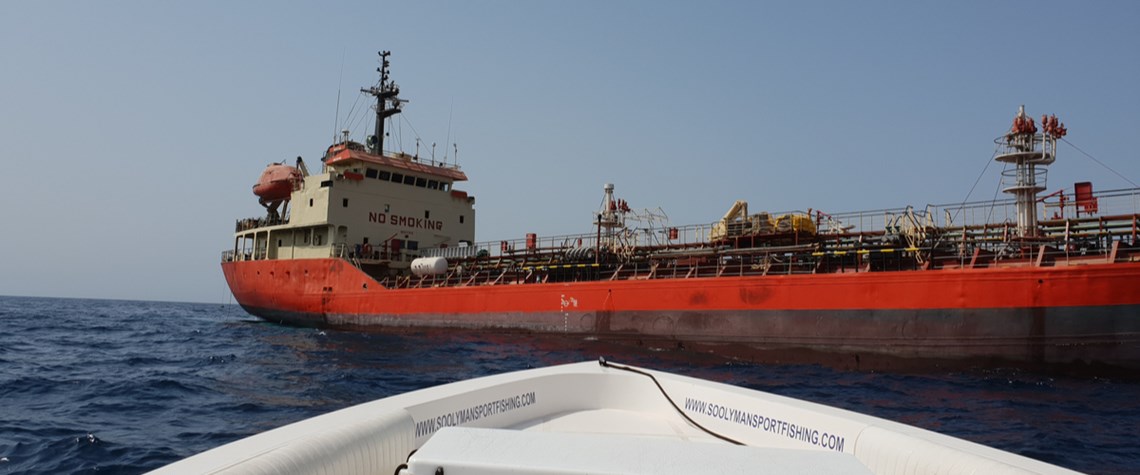
Iran and Western powers are back negotiating a tentative nuclear agreement, raising the possibility that sanctions on Iranian crude might be lifted once more. But despite Iran having huge stocks of crude already in storage, the country may experience bottlenecks—at least initially—with shipping that glut, given the state of its domestic fleet, concerns among other shipowners and insurance stipulations and requirements. State-run news agency IRNA claims that there are currently 78mn bl of Iranian crude stored aboard “tankers in Asian waters”. Energy market analytics firm Vortexa estimates that 36 tankers—comprising 31 very large crude carriers (VLCCs) and five Suezmax vessels—from the state-

Also in this section
OPEC+ boosted production before crisis
9 March 2026
Petroleum Economist analysis sees increases in output from Saudi Arabia, Venezuela and Kazakhstan among others before region’s murky descent
Energy dominance as diplomatic leverage
9 March 2026
Energy sanctions are becoming an increasingly prominent tool of US foreign policy, with the country’s growth in oil and gas production allowing it to impose pressure on rivals without jeopardising its own energy security or that of its allies, argues Matthew McManus, a visiting fellow at the National Center for Energy Analytics
Petroleum Economist: March 2026
6 March 2026
The March 2026 issue of Petroleum Economist is out now!
Next wave of floating LNG growth in developing markets
6 March 2026
After Europe’s rapid buildout of floating LNG import capacity, Exmar CEO Carl-Antoine Saverys says future growth in floating gas infrastructure will increasingly be driven by developing markets as lower prices, rising energy demand and the need to replace coal unlock new opportunities for unconventional and tailor-made solutions

Share PDF with colleagues

COPYRIGHT NOTICE: PDF sharing is permitted internally for Petroleum Economist Gold Members only. Usage of this PDF is restricted by <%= If(IsLoggedIn, User.CompanyName, "")%>’s agreement with Petroleum Economist – exceeding the terms of your licence by forwarding outside of the company or placing on any external network is considered a breach of copyright. Such instances are punishable by fines of up to US$1,500 per infringement
Send

Forward article Link

Send
Sign Up For Our Newsletter
Project Data
Maps
Podcasts
Social Links
Featured Video
Home
  • About us
  • Subscribe
  • Reaching your audience
  • PE Store
  • Terms and conditions
  • Contact us
  • Privacy statement
  • Cookies
  • Sitemap
All material subject to strictly enforced copyright laws © 2025 The Petroleum Economist Ltd
Cookie Settings
;

Search

