


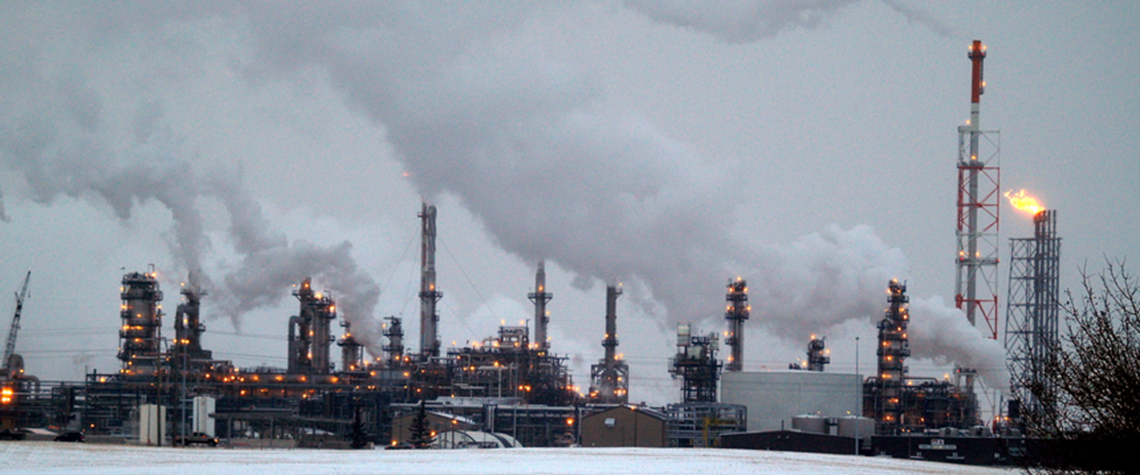
A refinery in Alberta
IEA calls for Canadian emissions reduction action
The country’s oil and gas sector is a culprit in disappointing delivery despite good policymaking
The IEA has lauded Canada’s leadership in policies to cut greenhouse gas (GHG) emissions, including its increasingly aggressive reduction targets and high and rising national carbon tax. But it also implicitly criticises the country for a lack of progress in reducing its national emissions to date. And a major reason for Canada’s failure to reduce national emissions since 2005—when they stabilised at c.730mn t after jumping over a third from 1990 levels—is continuing growth of the country’s oil and gas production, concludes the IEA’s mid-January report, Canada 2022: Energy Policy Review. This has basically negated emissions reductions elsewhere in the Canadian economy over that period, despi

Also in this section
1 April 2026
Golden Pass’s startup offers QatarEnergy a timely boost but may also force a difficult choice between honouring disrupted contracts and capitalising on soaring spot LNG prices
1 April 2026
It is not a case of if or when, but the length and magnitude of economic damage from elevated oil prices
1 April 2026
The US-Iran conflict demonstrates the need for diversification in several senses of the word. It also exposes the limits of Washington applying pressure on major oil and gas producers it considers geopolitical adversaries
31 March 2026
Disappointing results in its bidding round are a reality check for Libya, and global exploration generally



