


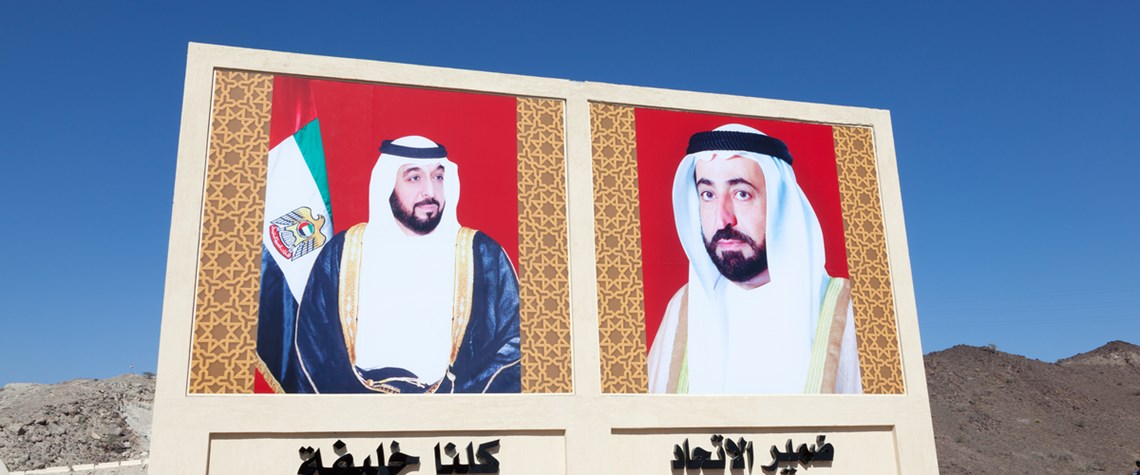
UAE President Khalifa bin Zayed Al Nahyan and Sheikh Mohammed bin Rashid Al Maktoum
Opec faces longer-term challenges
The organisation may have smoothed over the cracks this time. But the UAE’s very public dissent may be just the first sign of things to come
It was little surprise that Saudi Arabia and the UAE eventually reached a compromise on Opec production and baselines, despite the high drama at the latest Opec ministerial meeting. What was surprising, though, was the public nature of the disagreement and the willingness of UAE officials to joust so vigorously with their Saudi counterparts in international media, leading to energy minister Prince Abdulaziz bin Salman playing much more a la guerre than a plaisance. Opec has had its fair share of drama over the years. Nevertheless, the fact that the two erstwhile allies who have worked closely on finessing the cartel’s policies for decades and, since 2015, co-ordinated on a range of regional

Also in this section
24 March 2026
It is an unusual story of out with the new and in with the old, as America First Refining shows the US going back to trusted energy security developments
23 March 2026
A complex and sometimes contradictory web of factors that include unpredictable oil prices, the globalisation of LNG markets, the expansion of Middle Eastern sovereign capital and the growth of datacentre demand will shape the energy landscape beyond 2026
23 March 2026
The Strait of Hormuz crisis highlights how key waterways can become global chokepoints
20 March 2026
Attacks on key oil and LNG assets across the Gulf mean a prolonged supply disruption, with damage to Qatar’s export capacity undermining confidence in the global gas system



