


Iraq’s investor outlook worsens
The investment environment in Iraq is being affected by continued turmoil in domestic politics and the country’s battle with Covid-19
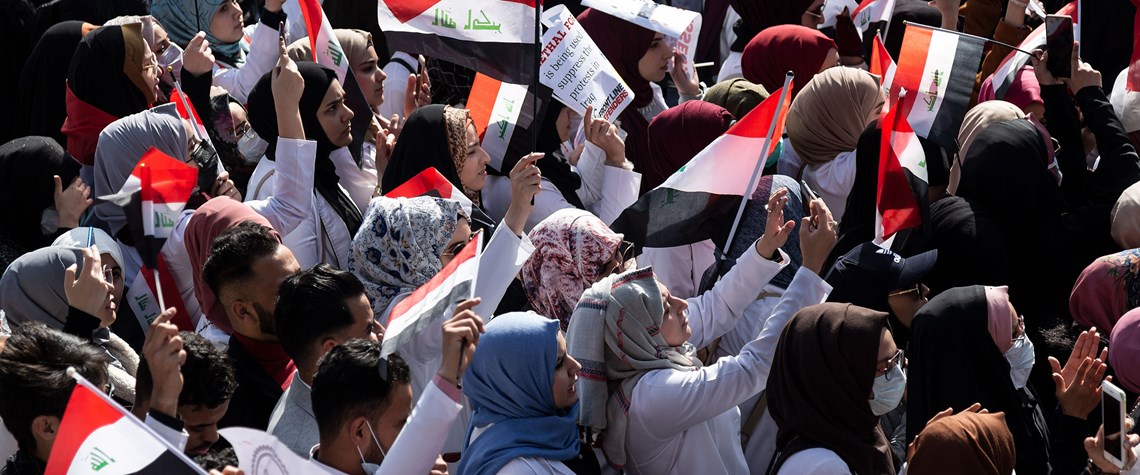
The resignation of Iraqi prime minister designate Mohammed Tawfiq Allawi at the start of this month following his failure to form an administration shows the fractured state of politics in Iraq and leaves the country without a complete government. New elections will be needed, and former prime minister Adil Abdul Mahdi has suggested they could be held towards the end of this year. This would entail the current government continuing without a prime minister until then. Investment delay No prime minister also means no permanent oil minister, which could prevent Iraq from passing legislation required for investment decisions on key projects. “Security and coronavirus will continue to be a big

Also in this section
1 April 2026
Golden Pass’s startup offers QatarEnergy a timely boost but may also force a difficult choice between honouring disrupted contracts and capitalising on soaring spot LNG prices
1 April 2026
It is not a case of if or when, but the length and magnitude of economic damage from elevated oil prices
1 April 2026
The US-Iran conflict demonstrates the need for diversification in several senses of the word. It also exposes the limits of Washington applying pressure on major oil and gas producers it considers geopolitical adversaries
31 March 2026
Disappointing results in its bidding round are a reality check for Libya, and global exploration generally



