


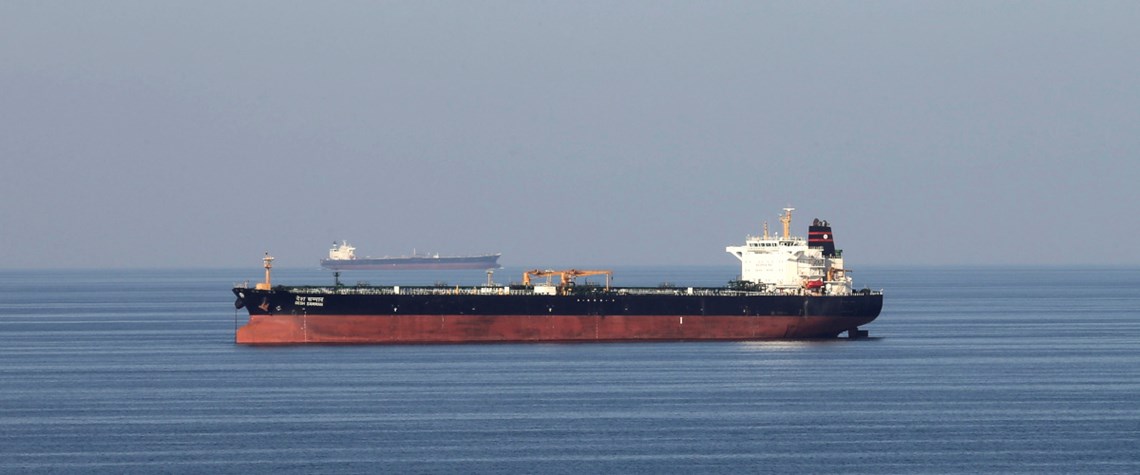
An oil tanker in the Strait of Hormuz
Hormuz threats lose their sting
As Gulf states progress bypass projects, time runs down on Iran’s sabre-rattling
The Strait of Hormuz is the world’s key oil chokepoint, with more than 20pc of global crude demand passing through the waterway each day. Repeated threats by Iran over the past decade to close its shipping lanes have thus proven headline-grabbing. Should it risk doing so, the likely result would be a material spike in oil prices as Mid-East Gulf supply was constrained. The logical next step would be swift intervention, almost certainly of a military nature, to remove any blockage if possible. While the threat has somewhat subsided over the last few years, last month Iran’s deputy commander of political affairs, General Yadollah Javani, warned that, if there was a need to close the strait, Ir

Also in this section
1 April 2026
Golden Pass’s startup offers QatarEnergy a timely boost but may also force a difficult choice between honouring disrupted contracts and capitalising on soaring spot LNG prices
1 April 2026
It is not a case of if or when, but the length and magnitude of economic damage from elevated oil prices
1 April 2026
The US-Iran conflict demonstrates the need for diversification in several senses of the word. It also exposes the limits of Washington applying pressure on major oil and gas producers it considers geopolitical adversaries
31 March 2026
Disappointing results in its bidding round are a reality check for Libya, and global exploration generally



