


Book review: Water threatens to disrupt Iraqi-Kurdish-Turkish relations
Diminishing sources of clean water and rising demand could increase tension between Baghdad and Erbil, as well as Baghdad and Ankara, a new book says
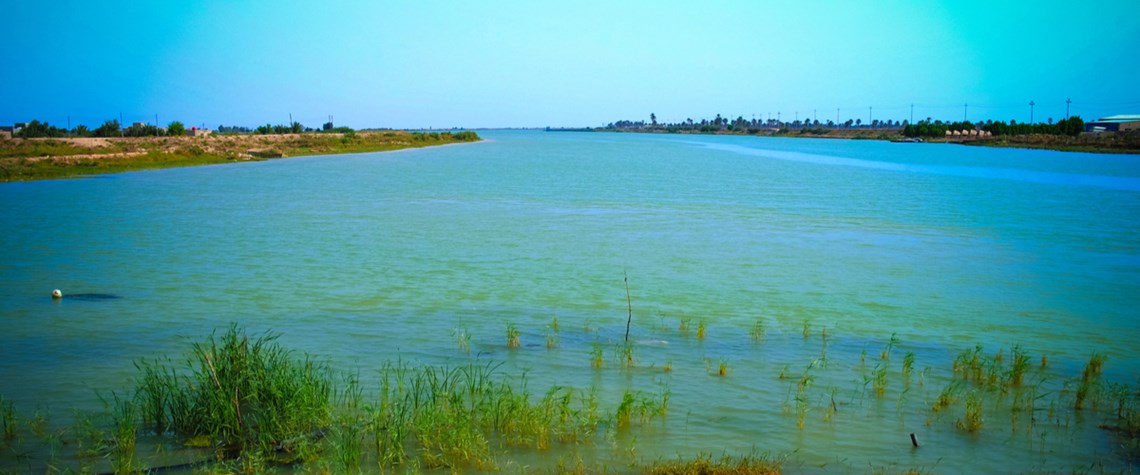
Water has been a headache for Iraq since the late 1970s, when Turkey began building huge dams on the Tigris and Euphrates rivers in the southeast of the country for irrigation and hydroelectric power generation. The dams reduced the flow of the two rivers beyond the Turkish border, raising fears in Baghdad as well as Damascus that Ankara might one day turn off the tap. Turkey is certainly able to control how much river water Iraq and Syria receive (the Euphrates flows through Syria before reaching Iraq). With Turkish president Recep Tayyip Erdogan still in the mood for expansionist adventures, Syrian and Iraqi leaders might well be justified in feeling nervous.

Also in this section
1 April 2026
Golden Pass’s startup offers QatarEnergy a timely boost but may also force a difficult choice between honouring disrupted contracts and capitalising on soaring spot LNG prices
1 April 2026
It is not a case of if or when, but the length and magnitude of economic damage from elevated oil prices
1 April 2026
The US-Iran conflict demonstrates the need for diversification in several senses of the word. It also exposes the limits of Washington applying pressure on major oil and gas producers it considers geopolitical adversaries
31 March 2026
Disappointing results in its bidding round are a reality check for Libya, and global exploration generally



