


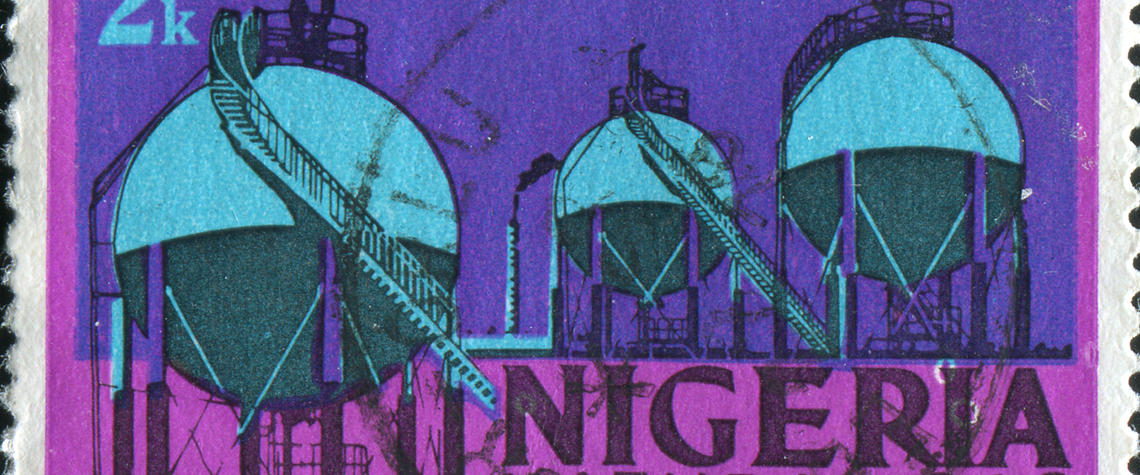
Nigeria struggles to realise gas potential
Africa's biggest economy is set to expand gas exports but domestic distribution remains a trickier proposition
Nigeria's domestic gas sector is struggling to capitalise fully on the potential of its sizeable gas reserves even though some big-ticket projects are emerging in the country. Seplat Petroleum's planned $700mn gas joint venture with the state-owned Nigeria Gas Company in Imo state is emblematic of what the government would like to happen more often – a high impact project run by a homegrown company. The Assa North-Ohaji South plant will process wet gas from Niger Delta crude producing blocks 21 and 53. It is slated to have a capacity of 300mn cubic feet a day (f3/d) with the first supply due in 2021. Another plant, run by Shell Petroleum Development Company (SPDC), will process another 300m

Also in this section
21 April 2026
After overcoming a COVID-induced demand collapse with several years of successful market management, geopolitical events have conspired to provide the pact’s biggest test to date
21 April 2026
The regime’s policy of using nuclear ambiguity as a deterrent may have failed but it has realised it has other cards to play, while its neighbours are reappraising their approach to security
21 April 2026
As the global energy system undergoes a fundamental realignment, Algihaz Holdings has established itself as a critical player bridging conventional energy markets and the next generation of renewable infrastructure.
21 April 2026
The 25th WPC Energy Congress is taking place from 11-15 October 2026 at the Riyadh Front Exhibition & Conference Center.



