


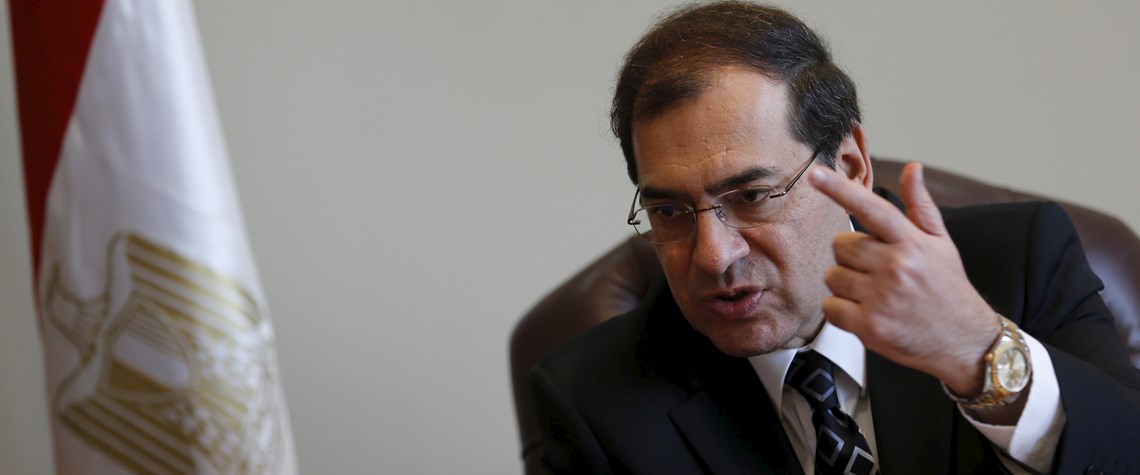
Egypt lures in IOCs
The cornerstone of the country's energy reforms aims to tempt foreign firms wary of setting foot in the Egyptian market
The crux of Egypt's ambitious energy reform has been a better deal for upstream international oil companies (IOCs). Stung by the failure of exploration rounds in 2012 and 2013, Cairo has guaranteed a higher minimum price for offshore producers. The old minimum price of $2.73/mn Btu has been replaced by $3.95/mn Btu to give IOCs a stronger incentive to invest. The pricing hike, and other liberalisations, have seen a surge in exploration, led by the four IOCs that already dominate Egyptian production. Eni, flush from finding the 30tn ft³ Zohr field in 2015 last summer surveyed another field, Nour, 31 miles off Suez, although both the company and the Egyptian government are tight-lipped about r

Also in this section
1 April 2026
Golden Pass’s startup offers QatarEnergy a timely boost but may also force a difficult choice between honouring disrupted contracts and capitalising on soaring spot LNG prices
1 April 2026
It is not a case of if or when, but the length and magnitude of economic damage from elevated oil prices
1 April 2026
The US-Iran conflict demonstrates the need for diversification in several senses of the word. It also exposes the limits of Washington applying pressure on major oil and gas producers it considers geopolitical adversaries
31 March 2026
Disappointing results in its bidding round are a reality check for Libya, and global exploration generally



