


Oman's renaissance man faces Iran, succession tensions
The sultanate’s neutrality in the increasingly tense stand-off between Saudi Arabia and Iran complicates relations with its Arab Gulf neighbours
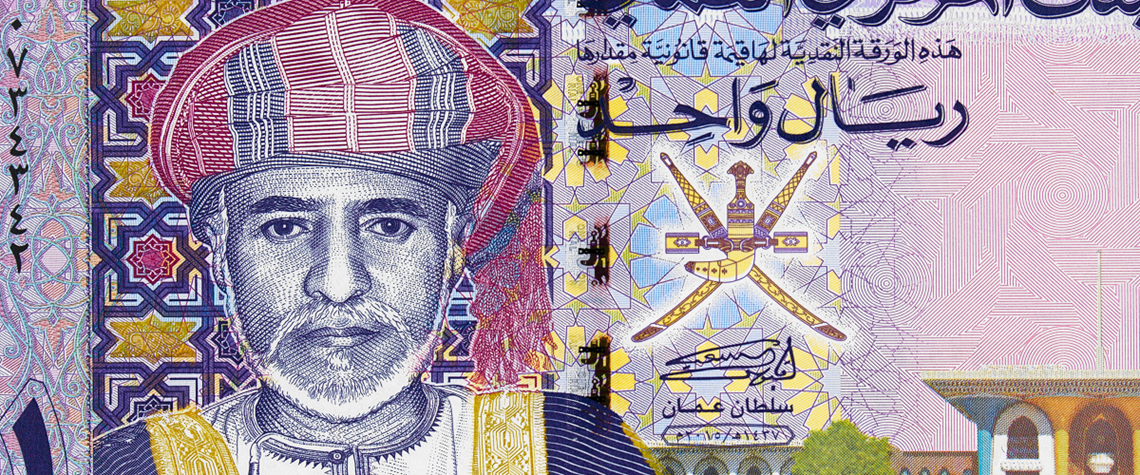
On 23 July 1970, Sultan Qaboos—a graduate of Sandhurst, a British military college—overthrew his father in a bloodless coup. Oman at that time was backward in terms of basic infrastructure, education, social services and other 20th century amenities. The new, young head of state set about modernising the country. Sultan Qaboos has been steering his nation, singlehandedly, throughout the 48 years since then. His influence on the country is so overwhelming (he occupies all the key posts in cabinet) that Omanis can't imagine a future without him. While lengthy spells of medical treatment abroad appear to have been successful, a day will inevitably come when the country has to contemplate a new

Also in this section
1 April 2026
Golden Pass’s startup offers QatarEnergy a timely boost but may also force a difficult choice between honouring disrupted contracts and capitalising on soaring spot LNG prices
1 April 2026
It is not a case of if or when, but the length and magnitude of economic damage from elevated oil prices
1 April 2026
The US-Iran conflict demonstrates the need for diversification in several senses of the word. It also exposes the limits of Washington applying pressure on major oil and gas producers it considers geopolitical adversaries
31 March 2026
Disappointing results in its bidding round are a reality check for Libya, and global exploration generally



