


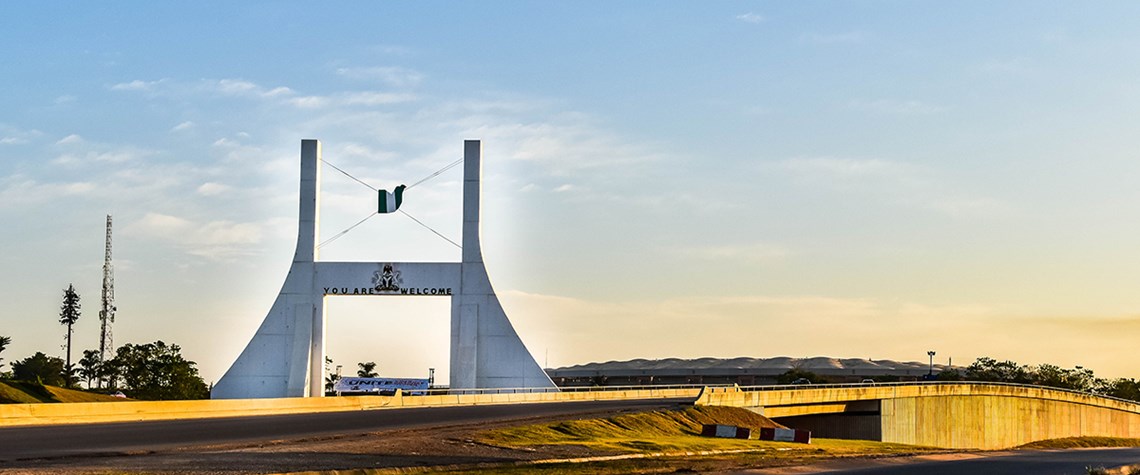
Nigeria's election hangs over energy sector
Africa's biggest economy is growing again. But next year's vote is stalling reform and investment in its crucial energy sector
Nigeria's economy has made a sluggish recovery over the past 12 months. After a plunge into negative growth last year, higher global oil prices are beginning to heal the wounds to state finances. The next 18 months will be fraught with political risk, but if investors are smart, they can hover over lucrative market positions and prepare to take a spending plunge when the time proves right. In oil, there'll be intense scrutiny of Total's Egina floating, production and storage offshore project over the next year. Once up and running, the FPSO will process 100,000 barrels a day of oil. But the sailing may not be easy. Militants in the Niger Delta say they may target the Egina, and analysts beli

Also in this section
1 April 2026
Golden Pass’s startup offers QatarEnergy a timely boost but may also force a difficult choice between honouring disrupted contracts and capitalising on soaring spot LNG prices
1 April 2026
It is not a case of if or when, but the length and magnitude of economic damage from elevated oil prices
1 April 2026
The US-Iran conflict demonstrates the need for diversification in several senses of the word. It also exposes the limits of Washington applying pressure on major oil and gas producers it considers geopolitical adversaries
31 March 2026
Disappointing results in its bidding round are a reality check for Libya, and global exploration generally



