


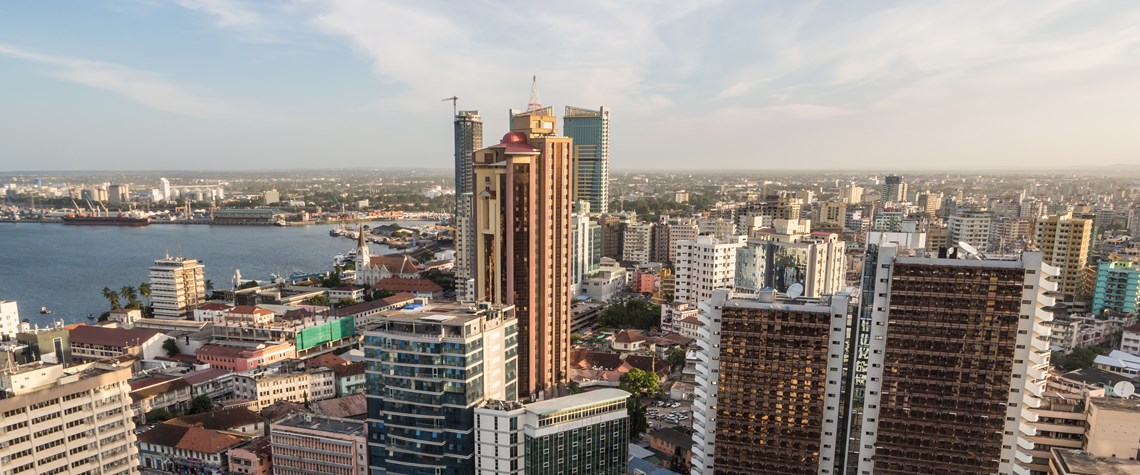
Tanzania's LNG plans remain stalled
A decision to split the energy and minerals ministry in two may be intended to dispel uncertainty over future liquefied natural gas export plans, but more than that will be needed
Since a draft agreement with international oil companies designed to kickstart Tanzania's LNG export industry with some $30bn of investment was drawn up earlier this year, little has happened. A number of government declarations and measures that had already unsettled foreign investors culminated in the submission of three bills to parliament in June. They gave the government power to force natural resources companies to renegotiate their contracts. The move was part of a clampdown by President John Magufuli on foreign companies in the mining sector, which he said were taking too much money out of the country. He had previously sacked Sospeter Muhongo, the minister in charge of minerals and

Also in this section
1 April 2026
Golden Pass’s startup offers QatarEnergy a timely boost but may also force a difficult choice between honouring disrupted contracts and capitalising on soaring spot LNG prices
1 April 2026
It is not a case of if or when, but the length and magnitude of economic damage from elevated oil prices
1 April 2026
The US-Iran conflict demonstrates the need for diversification in several senses of the word. It also exposes the limits of Washington applying pressure on major oil and gas producers it considers geopolitical adversaries
31 March 2026
Disappointing results in its bidding round are a reality check for Libya, and global exploration generally



