


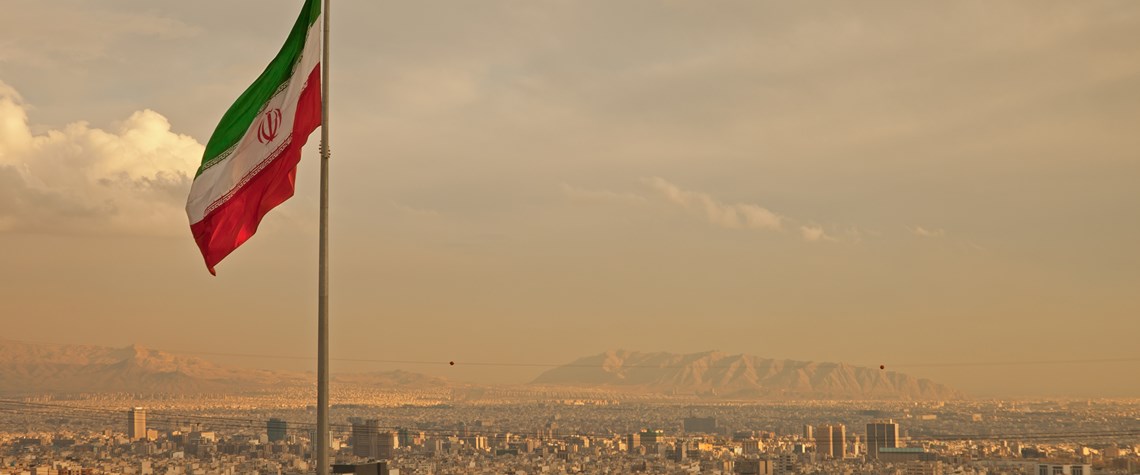
Russia is planting flags in the Middle East
Pragmatism and a tolerance for risk are giving Russian energy interests an edge in the region
Sometime in 2024, capacity at Iran's sole nuclear power facility, at Bushehr on the Gulf coast, will double to 2 gigawatts. A couple of years after, another 1GW reactor is due online. If nothing else, Iran is coming good on its civilian nuclear ambitions. Russia, whose state atomic firm Rosatom is building the two new plants, is the enabler. Russia's and Iran's energy plans don't stop at reactors. Lukoil, a private firm but Russia's second-biggest oil producer, and state-controlled Gazprom both have Tehran's approval to bid for upstream projects. Lukoil, which hopes to develop the Abe Timur and Mansuri fields, in western Iran, says the country "is our target area at the moment". Gazprom, whi

Also in this section
1 April 2026
Golden Pass’s startup offers QatarEnergy a timely boost but may also force a difficult choice between honouring disrupted contracts and capitalising on soaring spot LNG prices
1 April 2026
It is not a case of if or when, but the length and magnitude of economic damage from elevated oil prices
1 April 2026
The US-Iran conflict demonstrates the need for diversification in several senses of the word. It also exposes the limits of Washington applying pressure on major oil and gas producers it considers geopolitical adversaries
31 March 2026
Disappointing results in its bidding round are a reality check for Libya, and global exploration generally



