


LNG import contribution growing
Europe’s new LNG terminals set to reach materiality
A flurry of successful commissioning will see deliveries into fast-tracked infrastructure make a mark
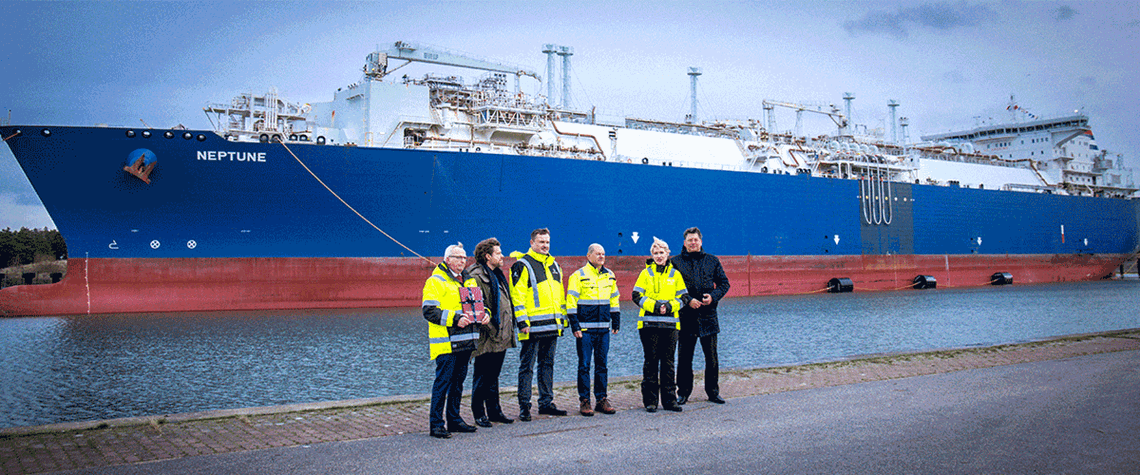
LNG deliveries into what are now five new import facilities in northern Europe will top 0.5mn t (0.7bn m³) in January, commodity tracking firm Kpler forecasts (see Fig.1), after four terminals joined the Eemshaven FSRU, which has been contributing to European supply since September, in the first few weeks of the new year. Regasified over a 31-day month, the volumes would be equivalent to an average of 22.7mn m³/d. Europe’s hunger for LNG following a drop in Russian pipeline imports that has been observed since as far back as the summer of 2021—albeit hastened in the months after the Putin regime’s invasion of Ukraine and hostile European reaction to his aggression—has largely been met by inc

Also in this section
1 April 2026
Golden Pass’s startup offers QatarEnergy a timely boost but may also force a difficult choice between honouring disrupted contracts and capitalising on soaring spot LNG prices
1 April 2026
It is not a case of if or when, but the length and magnitude of economic damage from elevated oil prices
1 April 2026
The US-Iran conflict demonstrates the need for diversification in several senses of the word. It also exposes the limits of Washington applying pressure on major oil and gas producers it considers geopolitical adversaries
31 March 2026
Disappointing results in its bidding round are a reality check for Libya, and global exploration generally



