


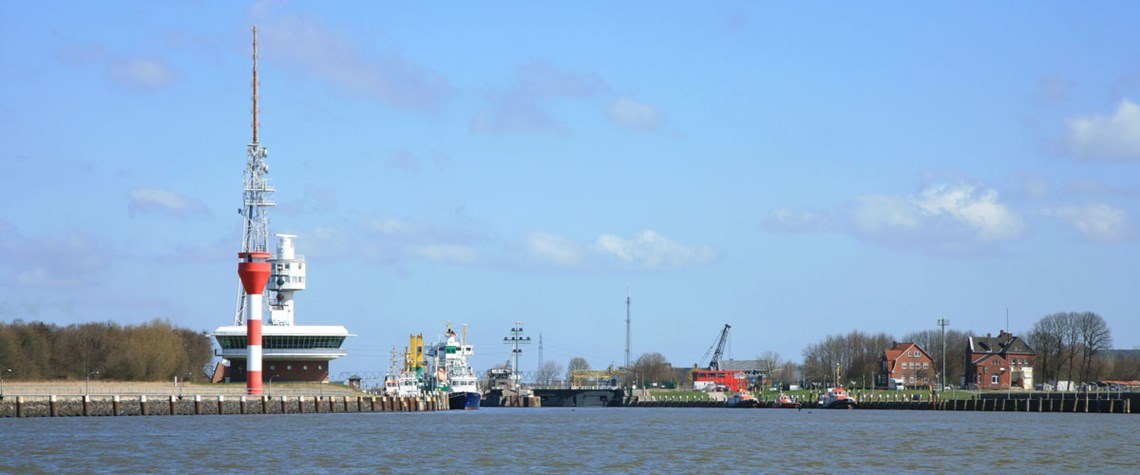
Brunsbuettel sits at the mouth of the Kiel canal
German LNG projects secure capacity commitments
Two of the country’s proposed import terminals ink MoUs with anchor clients
The 12bn m³/yr Stade and 8bn m³/yr Brunsbuettel LNG regasification facilities have both secured memorandums of understanding (MoUs) with new capacity holders as the development of German LNG import capabilities gathers impressive momentum in the wake of the Ukraine crisis. German utility EnBW is eyeing at least 3bn m³/yr of capacity in the former project, while Shell has signed on for a “substantial part” of the latter’s. Germany’s desire to wean itself off Russian gas as swiftly as possible, and the risk posed to its economy should Moscow decide to interrupt supply, has supercharged the country’s appetite to speed up alternative options. In the short term, it may be able to benefit from its

Also in this section
1 April 2026
Golden Pass’s startup offers QatarEnergy a timely boost but may also force a difficult choice between honouring disrupted contracts and capitalising on soaring spot LNG prices
1 April 2026
It is not a case of if or when, but the length and magnitude of economic damage from elevated oil prices
1 April 2026
The US-Iran conflict demonstrates the need for diversification in several senses of the word. It also exposes the limits of Washington applying pressure on major oil and gas producers it considers geopolitical adversaries
31 March 2026
Disappointing results in its bidding round are a reality check for Libya, and global exploration generally



