


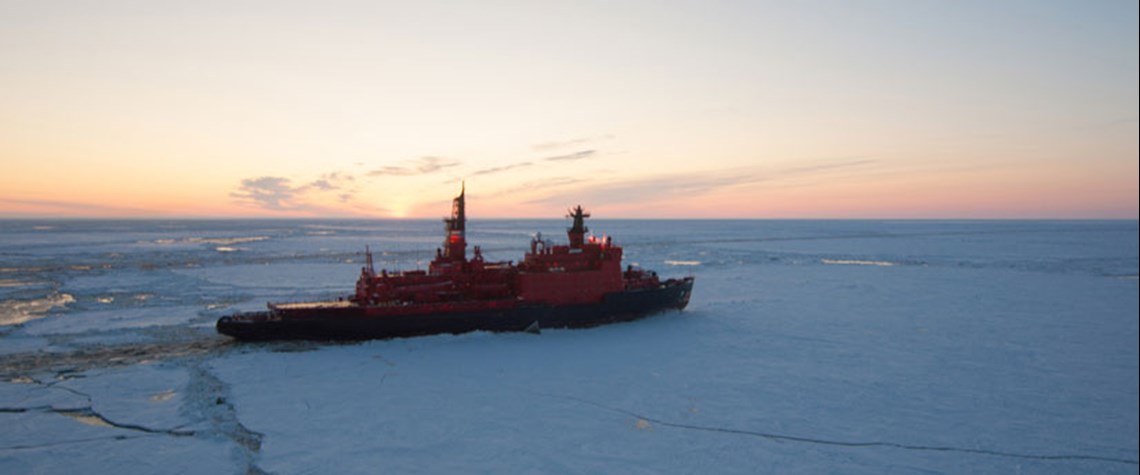
The Arctic navigation window has increased but is still not year-round
Winter LNG transit highlights Arctic’s growing role
Russia is leading the charge to normalise Arctic shipping as the region warms
Arctic waters are becoming increasingly navigable as a result of climate change, and Russia is leading the way in attempting to normalise shipping in high latitude regions. To the west, Canada and the US are already in disagreement over the status of the Northwest Passage. But shipping in the Arctic still poses significant challenges and is likely to remain mostly confined to Russian LNG shipments for now. The Northern Sea Route (NSR) along Russia’s Arctic coast cuts the voyage from Europe to Asia “by more than a third”, according to Russian deputy prime minister Yury Trutnev. A total of 33mn t of cargo, including 18mn t of LNG, was transported via the route in 2020, a fivefold increase in f

Also in this section
1 April 2026
Golden Pass’s startup offers QatarEnergy a timely boost but may also force a difficult choice between honouring disrupted contracts and capitalising on soaring spot LNG prices
1 April 2026
It is not a case of if or when, but the length and magnitude of economic damage from elevated oil prices
1 April 2026
The US-Iran conflict demonstrates the need for diversification in several senses of the word. It also exposes the limits of Washington applying pressure on major oil and gas producers it considers geopolitical adversaries
31 March 2026
Disappointing results in its bidding round are a reality check for Libya, and global exploration generally



