


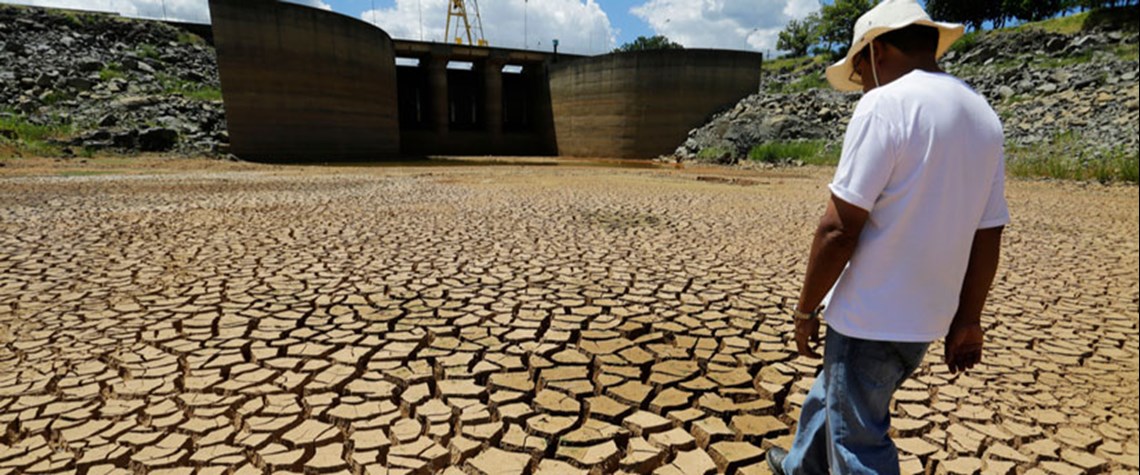
Drought is threatening Brazil's agricultural sector
Turning up the heat on Brazil’s gas reforms
Extreme dry spell is highlighting the need to kickstart the country’s gas liberalisation efforts
Brazil is facing the worst drought in nearly a century, hitting key industrial regions and threatening not only hydroelectric power supply but also the country’s economic powerhouse—the agricultural sector. Brazil’s national grid operator, the ONS, estimates the country’s hydro reservoirs will be depleted to 7.9pc of their capacity by November. To counter the looming crisis and the possibility of blackouts, the government has created a committee to manage hydro reservoirs and authorised dispatch from thermal power plants, including gas, fuel oil and diesel facilities. Heading into next year’s presidential elections, the political implications of regional electricity shortages could be critic

Also in this section
1 April 2026
Golden Pass’s startup offers QatarEnergy a timely boost but may also force a difficult choice between honouring disrupted contracts and capitalising on soaring spot LNG prices
1 April 2026
It is not a case of if or when, but the length and magnitude of economic damage from elevated oil prices
1 April 2026
The US-Iran conflict demonstrates the need for diversification in several senses of the word. It also exposes the limits of Washington applying pressure on major oil and gas producers it considers geopolitical adversaries
31 March 2026
Disappointing results in its bidding round are a reality check for Libya, and global exploration generally



