


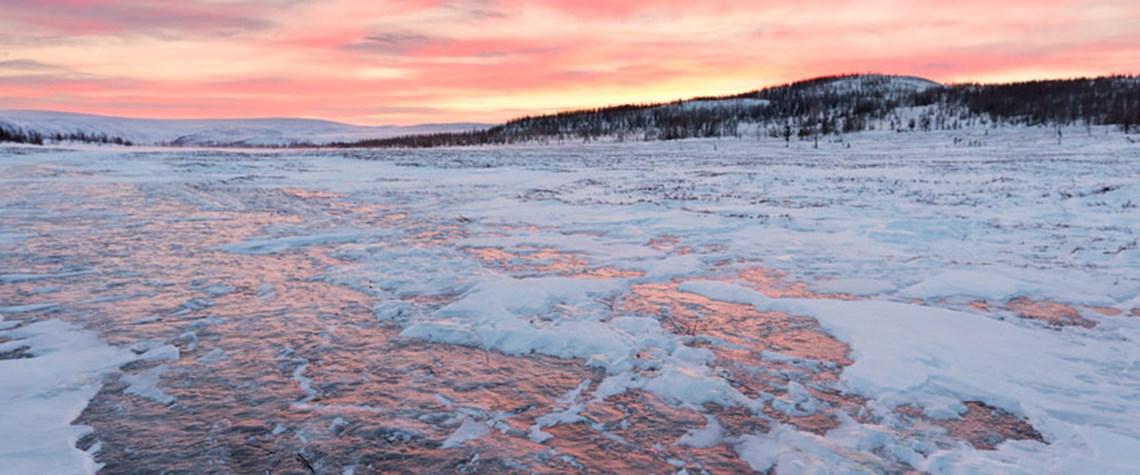
The Yamal peninsula, location of the proposed Obskiy LNG project
LNG steps out of Qatar’s shadows
Investment in LNG liquefaction capacity got off to a flying start in 2021 with the North Field East expansion project. How much more can we expect?
Investment in LNG liquefaction capacity tends to come in waves, meaning the industry swings from sellers’ market to buyers’ market and back again—a cycle that, admittedly, characterises many commodities. The latest wave began in 2018, when 22mn t/yr of capacity reached FID, followed by an all-time record year in 2019 when more than 70mn t/yr was sanctioned. As 2020 began another bumper year was in prospect, with 60mn t/yr of capacity forecast to cross the finishing line. Then came Covid-19 and widespread demand destruction. As oil and gas prices crashed, appetite for investment evaporated and 2020 saw only 11 mn t/yr sanctioned—the 8mn t/yr NLNG Train 7 in Nigeria and US firm Sempra Energy’s

Also in this section
1 April 2026
Golden Pass’s startup offers QatarEnergy a timely boost but may also force a difficult choice between honouring disrupted contracts and capitalising on soaring spot LNG prices
1 April 2026
It is not a case of if or when, but the length and magnitude of economic damage from elevated oil prices
1 April 2026
The US-Iran conflict demonstrates the need for diversification in several senses of the word. It also exposes the limits of Washington applying pressure on major oil and gas producers it considers geopolitical adversaries
31 March 2026
Disappointing results in its bidding round are a reality check for Libya, and global exploration generally



