


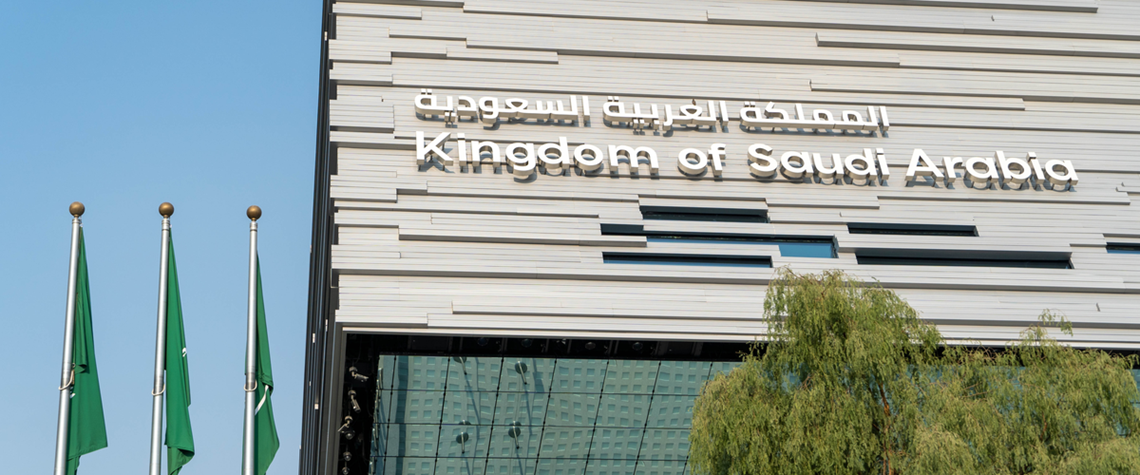
The Kingdom has a backlog of large-scale gas projects planned to boost supply
Letter from the Middle East: Gas businesses see swift evolution
Self-sufficiency targets and opportunities to shift to renewables are driving big upsurge in gas production
The Mideast Gulf’s major NOCs and partners have invested heavily over the last decade to boost domestic gas output and avoid strained supplies. They are now seeing the fruits of those efforts. But the game has changed yet again: new gas has to dovetail with renewables and drive exports of LNG and—possibly—hydrogen. The largest projects are all in Saudi Arabia and the UAE. Saudi Arabia’s electricity plans call for oil generation to be phased out and replaced with an equal mix of gas and renewables, an important step towards its 2060 net-zero carbon commitment. For conventional gas, the 1bn ft³/d (28.3mn³/d) Hawiyah gas plant should be completed in 2022 and the 2.5bn ft³/d Tanajib facility in

Also in this section
1 April 2026
Golden Pass’s startup offers QatarEnergy a timely boost but may also force a difficult choice between honouring disrupted contracts and capitalising on soaring spot LNG prices
1 April 2026
It is not a case of if or when, but the length and magnitude of economic damage from elevated oil prices
1 April 2026
The US-Iran conflict demonstrates the need for diversification in several senses of the word. It also exposes the limits of Washington applying pressure on major oil and gas producers it considers geopolitical adversaries
31 March 2026
Disappointing results in its bidding round are a reality check for Libya, and global exploration generally



