


The heat is on
Higher power demand due to hot weather helped push up European LNG demand in 2017. But the sector is far from buoyant
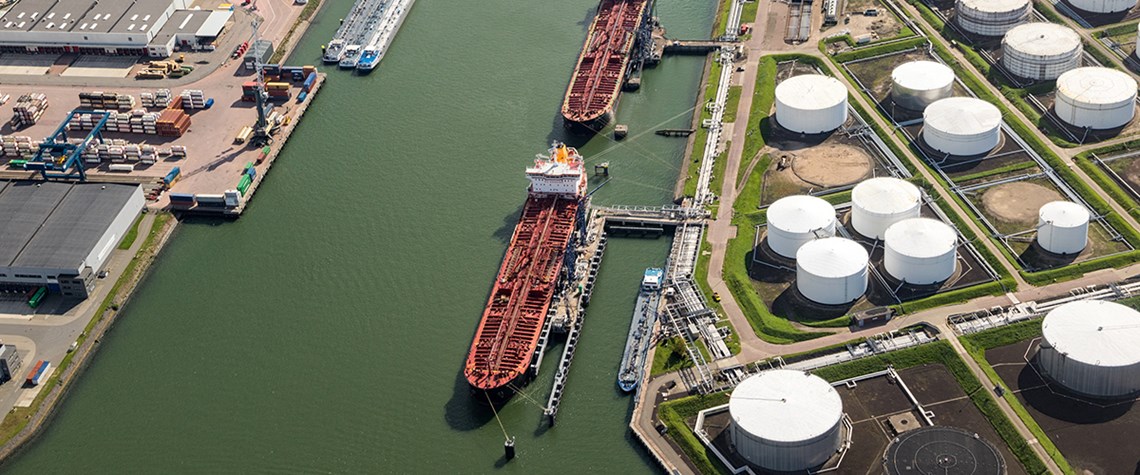
Liquefied natural gas imports to Europe rose in 2017, driven by demand from southern Europe, but the overall growth trend over the past decade has been weak, due to increased availability of pipeline gas and low gas-demand growth. Net LNG imports—after deducting reloaded cargoes—rose by 7.5m tonnes, or 19.5%, in 2017, largely due to an increase in power demand. But the gains were mostly in the south of the continent with a 9.1m-tonne increase in imports to terminals in France, Greece, Italy, Portugal, Spain and Turkey. The gas was for domestic use or pipeline export. This surge was prompted by low hydropower production, reduced nuclear output in France and hot summer weather around the Medit

Also in this section
21 April 2026
After overcoming a COVID-induced demand collapse with several years of successful market management, geopolitical events have conspired to provide the pact’s biggest test to date
21 April 2026
The regime’s policy of using nuclear ambiguity as a deterrent may have failed but it has realised it has other cards to play, while its neighbours are reappraising their approach to security
21 April 2026
As the global energy system undergoes a fundamental realignment, Algihaz Holdings has established itself as a critical player bridging conventional energy markets and the next generation of renewable infrastructure.
21 April 2026
The 25th WPC Energy Congress is taking place from 11-15 October 2026 at the Riyadh Front Exhibition & Conference Center.



