


Newsletters | Request Trial | Log in | Advertise | Digital Issue   |   Search
  • Upstream
  • Midstream & Downstream
  • Gas & LNG
  • Trading & Markets
  • Corporate & Finance
  • Geopolitics
  • Podcasts
Search
Related Articles
New Zealand embraces LNG
LNG would serve as a backup supply source as domestic gas declines and the country’s energy system comes under stress during periods of low hydropower output and high energy demand
Southeast Asia’s digital age requires the right energy mix
Indonesia and Malaysia are at the dawn of breathtaking digital capabilities. Their energy infrastructure must keep up with their ambitions
Outlook 2026: How critical mineral partnerships are shaping ASEAN’s energy transition
The global race for critical minerals has become a defining feature of energy geopolitics, presenting the ASEAN region with both opportunity and risk
New Zealand is back open for business
The removal of the ban on oil and gas exploration and an overhaul of the system sends all the right messages for energy security, affordability and sustainability
New Zealand’s gas horror story will haunt for years to come
The economic and environmental cost of the seven-year exploration ban will be felt long after its removal
Reality bites for Indonesia’s oil ambition
A more pragmatic approach has seen the country reverse its production decline in 2025 but its 1m b/d target still seems out of reach
New Zealand backs gas, but results take time
Government is sending out the right policy signals to support increased domestic gas development, but policy takes time to implement and even longer to yield results
Indonesia’s upstream picks up the pace
The government is optimistic that increasing offshore activity and exploration will help revive flagging production, despite energy security fears
Asia’s potential upstream powerhouse
Petronas-Eni eyes joint venture to prioritise key gas developments, with huge opportunities for growth in Indonesia and a steady Malaysia portfolio
Malaysia tackles upstream declines
Petronas is making huge efforts to arrest falling oil production and accelerate gas increases to meet rising demand, but political tensions persist
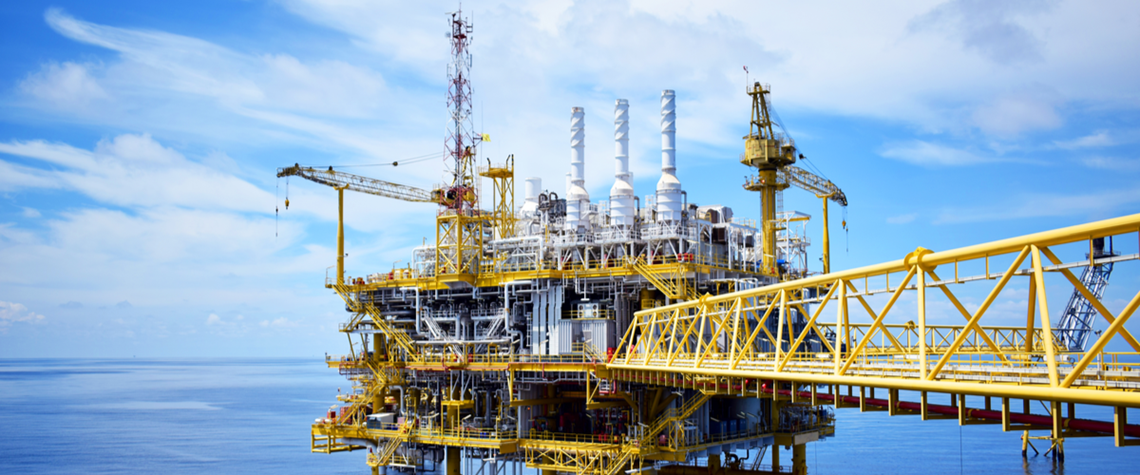
Jadestone has recently acquired offshore assets in Malaysia
Asia Malaysia New Zealand Indonesia
Andrew Kemp
14 September 2021
Follow @PetroleumEcon
Forward article link
Share PDF with colleagues

Jadestone’s expansion plans mature

The independent is looking to capitalise as more companies move to exit mature oil and gas assets, CEO Paul Blakeley tells Petroleum Economist

Asia-Pacific focused independent Jadestone Energy’s recent entry into Malaysia’s upstream is the latest step in a long-term strategy the company hopes will turn it into a major regional player. The developer’s focus over the last five years has been on acquiring mature producing assets that offer “speed to cash flow”, says Jadestone CEO Paul Blakeley. After a turbulent 2020 that saw the company slash its cost base to ride out international oil price volatility, Jadestone is once more chasing assets that will bolster its production and reserve base. “Majors are happy to exit an asset once its best days are behind it. They are not as efficient, slowed down by processes that are designed to min

Also in this section
The diesel crisis
10 March 2026
By shutting the Strait of Hormuz, Iran has cut exports of distillate-rich Middle Eastern crude, jet fuel and diesel, and is holding the energy market hostage
Navigating the next LNG cycle
10 March 2026
Eni’s director for global gas and LNG portfolio, Cristian Signoretto, discusses how demand will respond to rising LNG supply, and how the company is expanding its own gas and LNG operations through disciplined, capital-efficient investments
OPEC+ boosted production before crisis
9 March 2026
Petroleum Economist analysis sees increases in output from Saudi Arabia, Venezuela and Kazakhstan among others before region’s murky descent
Energy dominance as diplomatic leverage
9 March 2026
Energy sanctions are becoming an increasingly prominent tool of US foreign policy, with the country’s growth in oil and gas production allowing it to impose pressure on rivals without jeopardising its own energy security or that of its allies, argues Matthew McManus, a visiting fellow at the National Center for Energy Analytics

Share PDF with colleagues

COPYRIGHT NOTICE: PDF sharing is permitted internally for Petroleum Economist Gold Members only. Usage of this PDF is restricted by <%= If(IsLoggedIn, User.CompanyName, "")%>’s agreement with Petroleum Economist – exceeding the terms of your licence by forwarding outside of the company or placing on any external network is considered a breach of copyright. Such instances are punishable by fines of up to US$1,500 per infringement
Send

Forward article Link

Send
Sign Up For Our Newsletter
Project Data
Maps
Podcasts
Social Links
Featured Video
Home
  • About us
  • Subscribe
  • Reaching your audience
  • PE Store
  • Terms and conditions
  • Contact us
  • Privacy statement
  • Cookies
  • Sitemap
All material subject to strictly enforced copyright laws © 2025 The Petroleum Economist Ltd
Cookie Settings
;

Search


