The European Commission will review hydrogen refuelling station targets in 2026
Industry split over hydrogen refuelling targets
Modelling differs on whether infrastructure will be adequate to decarbonise trucking sector
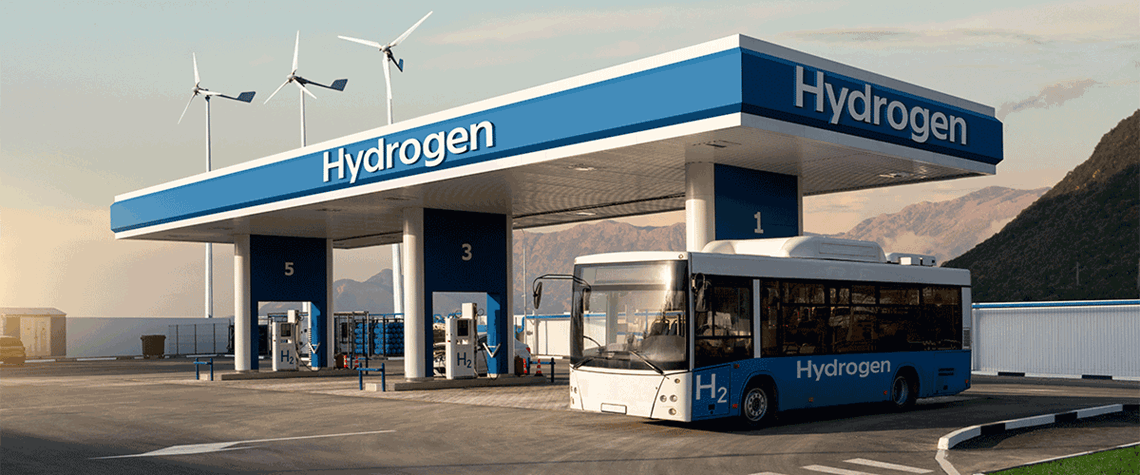
The EU must go further with its hydrogen infrastructure regulation if it is to adequately encourage the uptake of hydrogen vehicles, according to some industry bodies, while others say the regulation has gone too far. Earlier in July, MEPs approved the Alternative Fuel Infrastructure Regulation (AFIR), which mandates one gaseous hydrogen refuelling station every 200km along the planned Trans-European Transport Network (TEN-T), as well as one per urban node, by the end of 2030. Each refuelling station is required to have a 1t/d of hydrogen supply capacity. MEPs had been pushing for a faster rollout, notably by 2027 on hydrogen refuelling stations, backed by industry bodies such as the Intern

Also in this section
25 March 2026
The Middle East energy shock has highlighted the value of France’s unique potential to deploy nuclear-powered electrolysers
18 March 2026
The second fossil-fuel price shock in four years can be a much-needed catalyst for investment in the sector
9 March 2026
Hydrogen has not stalled in the UK because the technology does not work. The problem is that the system around it does not yet move at the speed required
4 March 2026
Turmoil in Middle East reminds nascent clean hydrogen sector that its future prospects are dependent on global energy markets and geopolitics