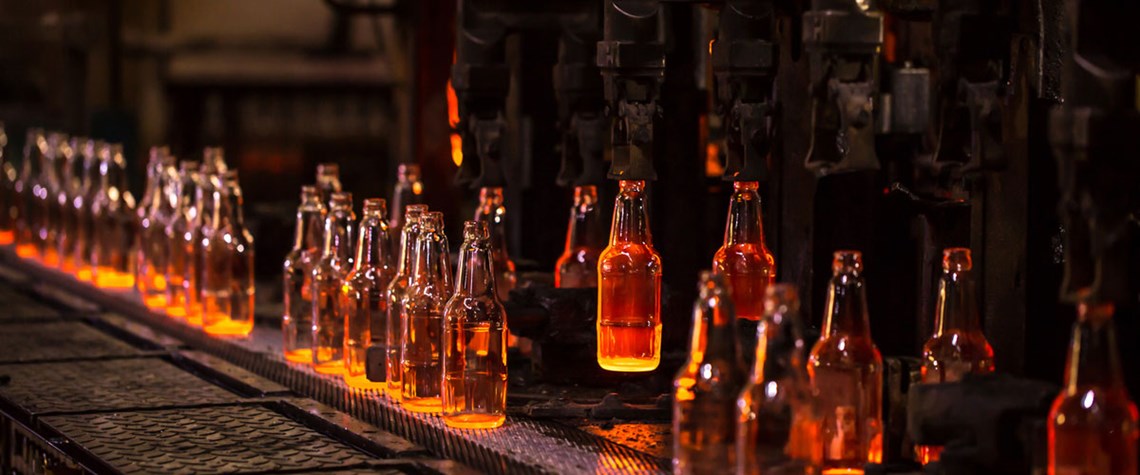
Glass manufacture is energy-intensive
Italian glass firms to cut emissions with hydrogen
Working group will blend hydrogen with natural gas in manufacture process
A group of Italian industrial glassmaking firms hope to use hydrogen to reduce emissions produced in their manufacturing processes. Glass manufacture involves melting processes that require high temperatures of over 1,300°C that are difficult to electrify. There are also some process emissions from the decomposition of carbonates. EU glass production produces around 20mn t/yr of CO₂. Italy's emissions amount to 1.5mn t/yr of CO₂—around 3.5pc of the emissions of the whole manufacturing industry. The ‘Divina’ project, coordinated by Italian energy company Snam, classification firm Rina and glass manufacturer Bormioli aims to reduce emissions in the glass melting stage, which accounts for more

Also in this section
25 March 2026
The Middle East energy shock has highlighted the value of France’s unique potential to deploy nuclear-powered electrolysers
18 March 2026
The second fossil-fuel price shock in four years can be a much-needed catalyst for investment in the sector
9 March 2026
Hydrogen has not stalled in the UK because the technology does not work. The problem is that the system around it does not yet move at the speed required
4 March 2026
Turmoil in Middle East reminds nascent clean hydrogen sector that its future prospects are dependent on global energy markets and geopolitics