Outlook 2024: Focused financing – Will it unlock capital for the transition?
In a transformative shift, the consumer’s role in meeting net-zero challenges and reducing reliance on fossil fuels is crucial
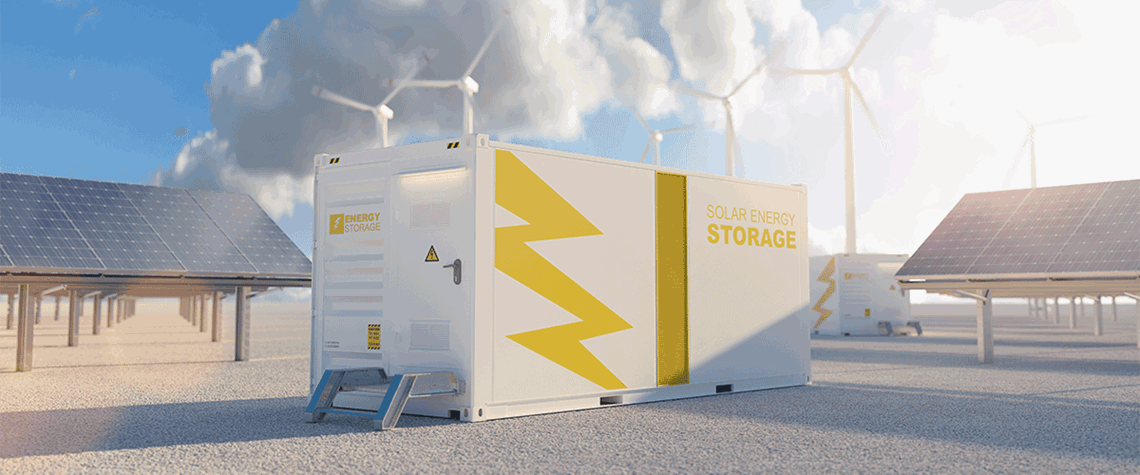
High-intensity energy users, largely within the manufacturing sector, are steadily decarbonising their operations, transitioning towards sustainable and proven renewable energy technologies such as solar and wind, and employing battery energy storage systems (BESS). In DNV’s latest annual Energy Transition Outlook (ETO), we found that manufacturing is currently the largest energy consumer at 138EJ (30%) of final energy demand in 2022. Despite substantial energy efficiency gains and increased recycling and reuse of materials and goods, the sector’s energy demand will keep growing. It will increase an average of 0.5% every year, reaching 156EJ by 2050. The success of these decarbonisation ende

Also in this section
1 April 2026
Emerging industry must work with policymakers to convince a broader pool of investors to buy into its long-term potential
12 March 2026
Role of world’s largest carbon cap-and-trade market under scrutiny as war in Iran threatens to drive EU energy costs to unsustainable levels
10 March 2026
Europe urgently needs to bring more projects to FID, as CCS investors warn they might divert capital to faster-growing regions
9 January 2026
A shift in perspective is needed on the carbon challenge, the success of which will determine the speed and extent of emissions cuts and how industries adapt to the new environment